The Elite Epicurean / LaVecchia's Seafood Grille / Aquagrille / Club Rio / Club Dreams, 1736 Main Street: 2000s 34 comments

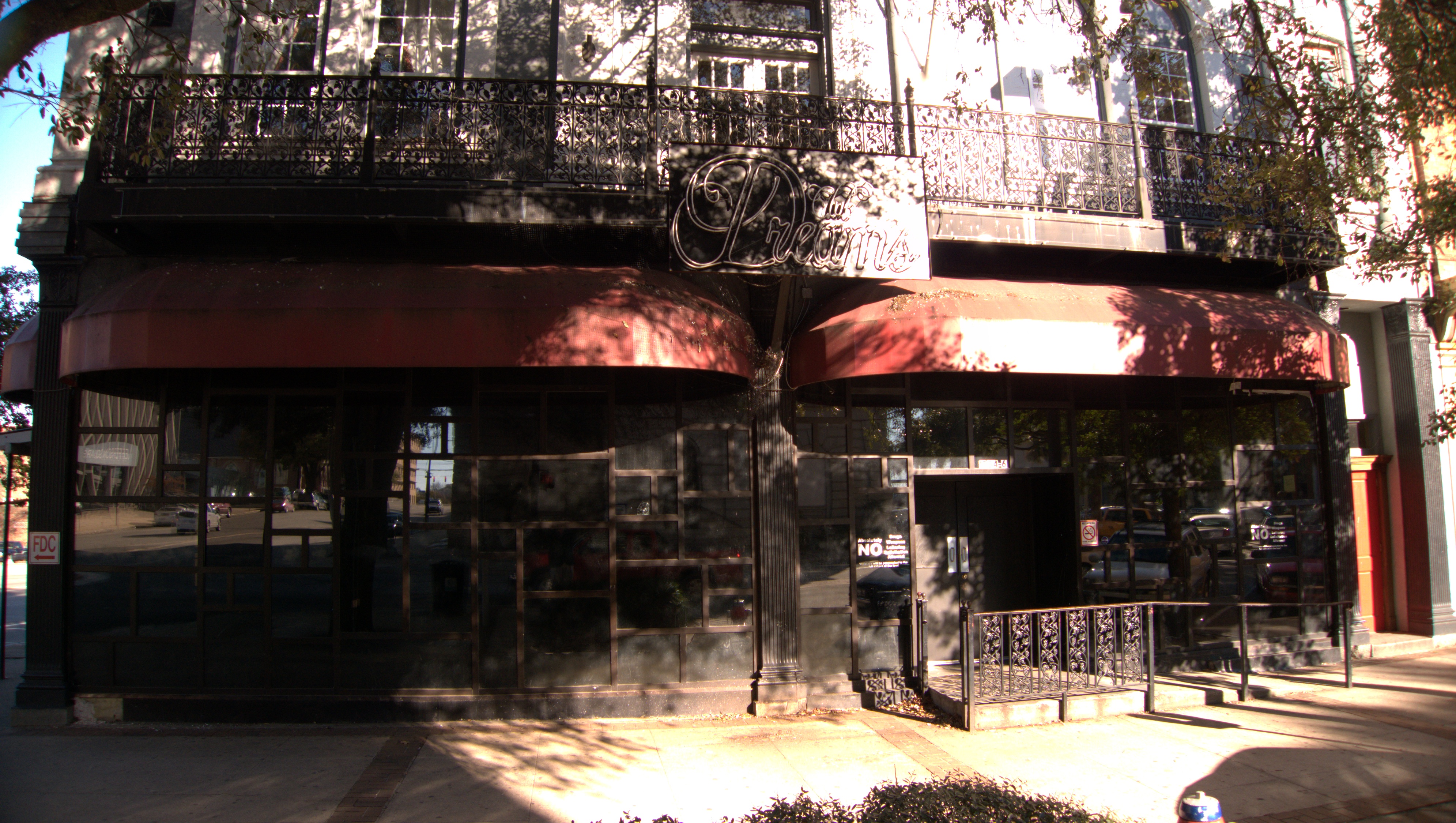


According to this link the Boyne Building was designed in 1900 by local architect James Hagood Sams. I'm sure it has been a large number of things over the years, but the one which gets mentioned here more often than anything else is The Elite Epicurean. Unfortunately, I know almost nothing about it. I believe that for the majority of the time it was open, I was living out of town, and at any rate just the name would have put me off as being "too fancy" (not to mention the iffy-ness of Main Street at night).
All that aside, I can say it was listed in the 1998 phonebook (though with no Yellow Pages ad) and here's what some of you have said:
One of my favorite Columbia restaurants missing from your list was the Elite Epicurean. They had a dish called something like “Island of Scorpios Shrimp”. It was delicious. Also, the stuffed twice baked potato at the Elite Epicurean was very good -- commenter Sarah
Let’s see… Elite Epicurian first became a Northern Italian seafood-focused place called LaVecchia’s, full of fish tanks and aqua neon colors, until around 2002… Then it became Aquagrille, which didn’t last long. After that it has been dance clubs under 2-3 different names -- commenter Dave
I still miss the Elite Epicurian. Lamb Chops Bandit Style! -- commenter Dennis
Club Dreams would seem to be one of those short lived dance clubs commenter Dave mentions -- the night picture is from a Friday night, when one would expect a dance club to be open, so I think it is gone as well.
Scott Brothers Restaurant & Bar / Palmetto's / MacDougall's Restaurant & Bar / The Sly Fox, 902-F Gervais Street: Jan 2011 19 comments
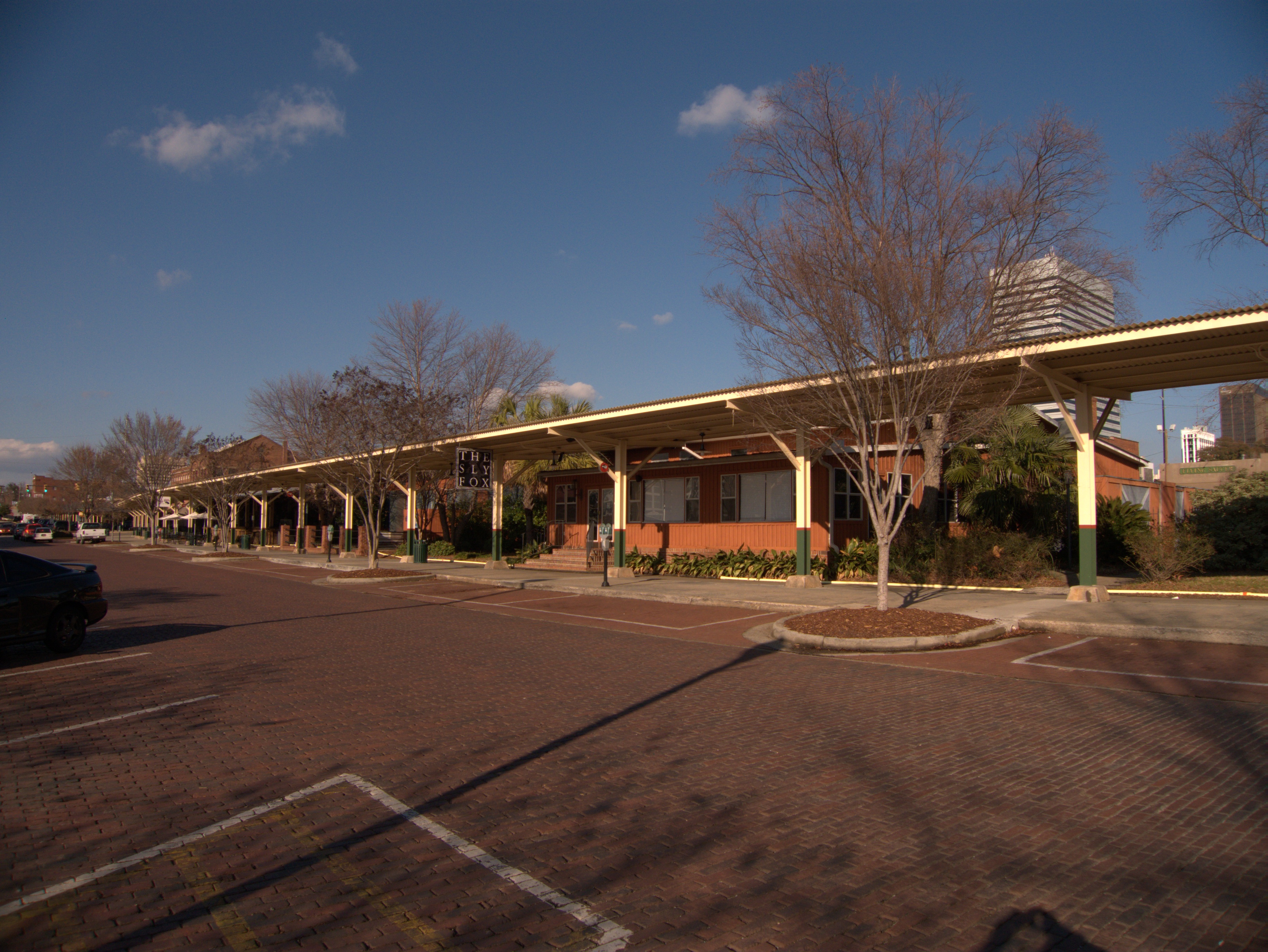
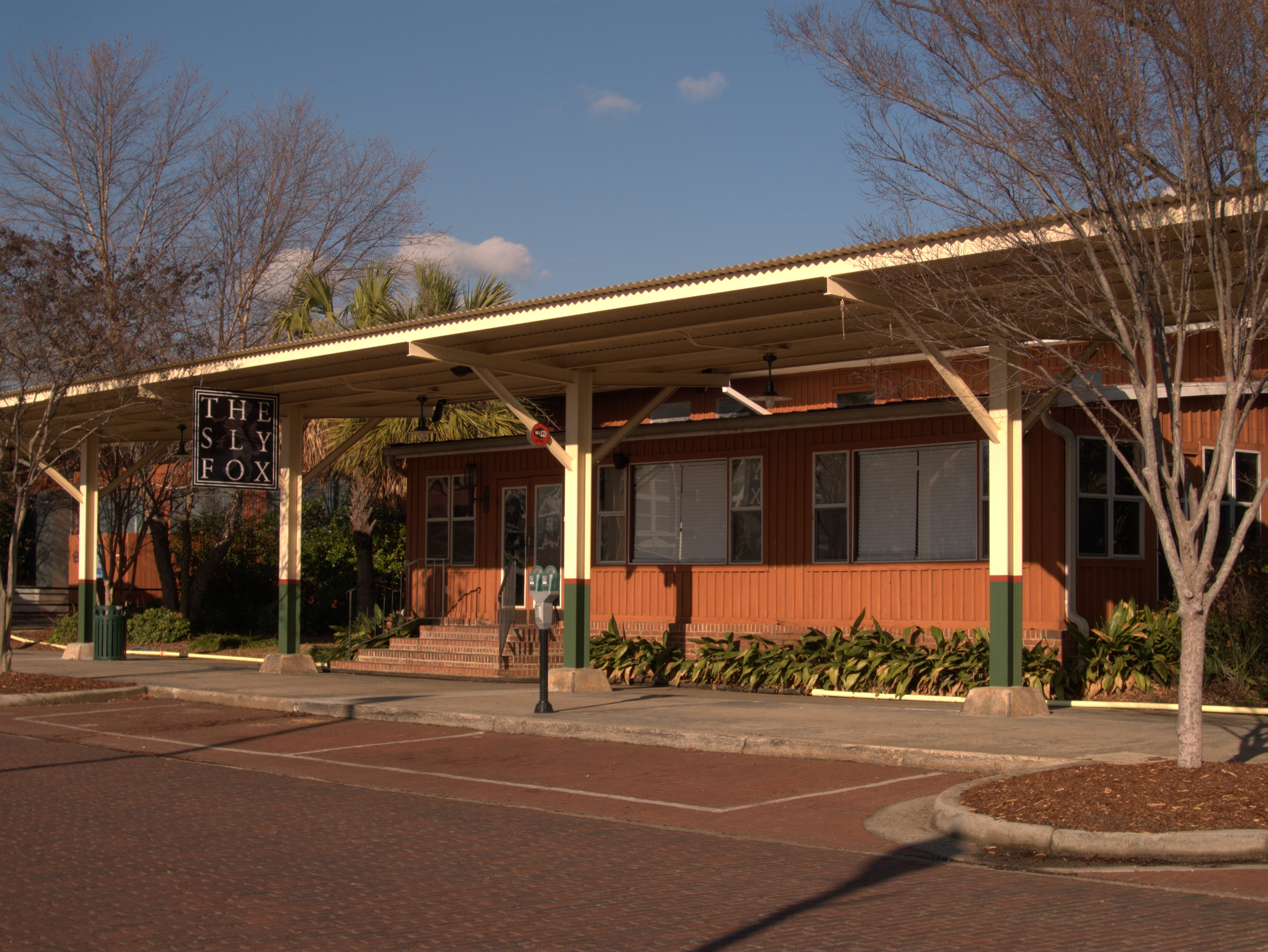
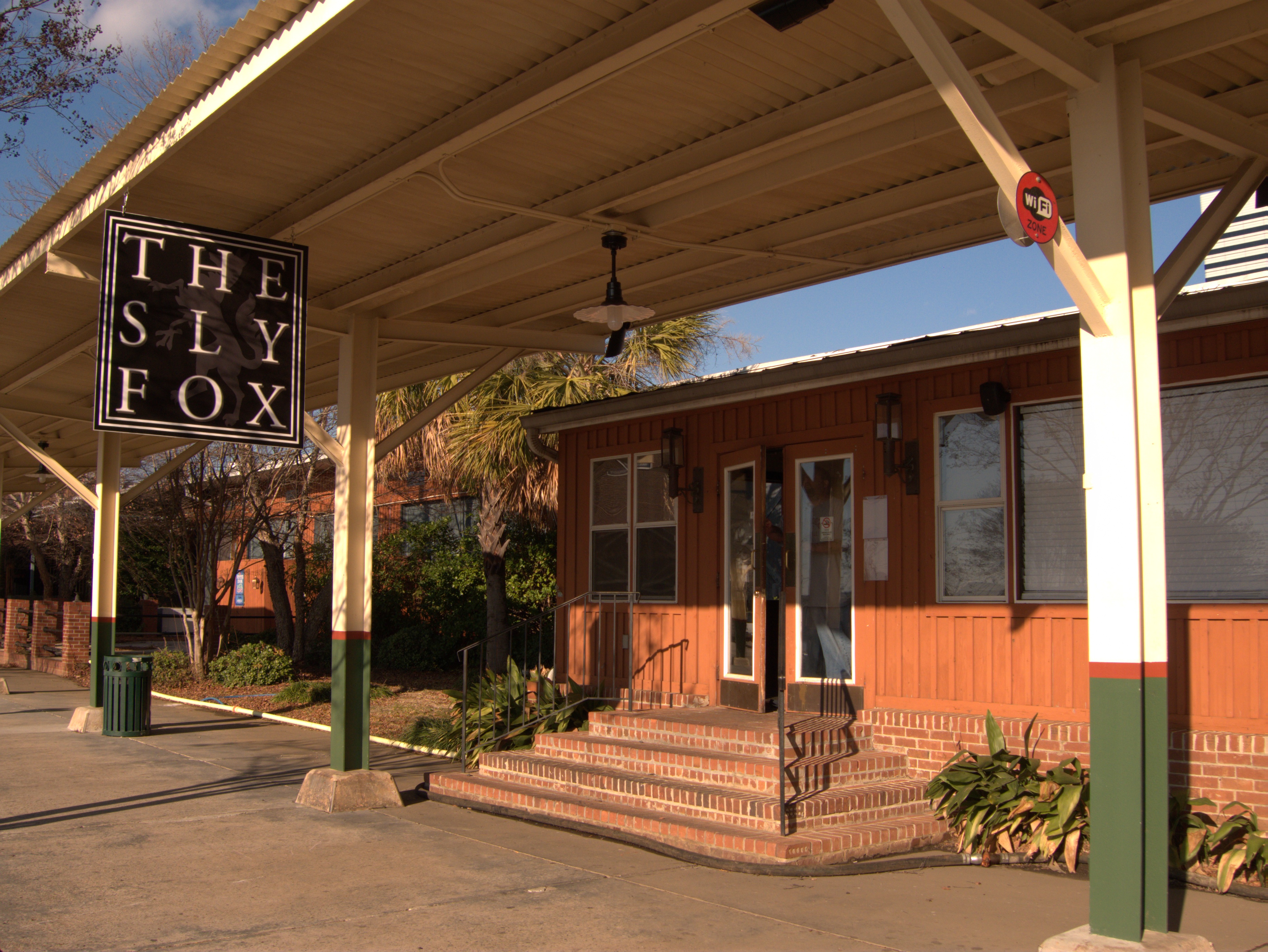
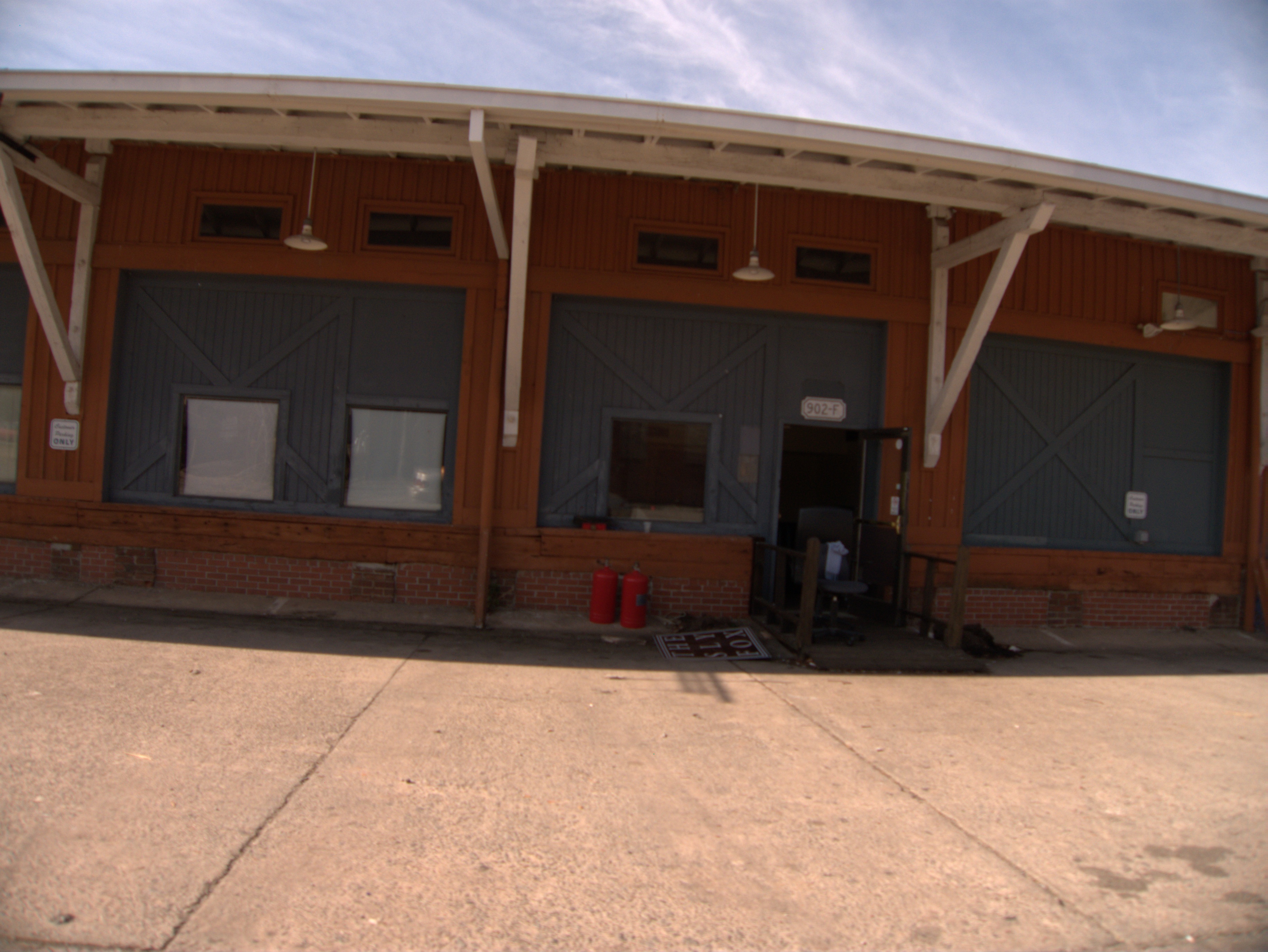
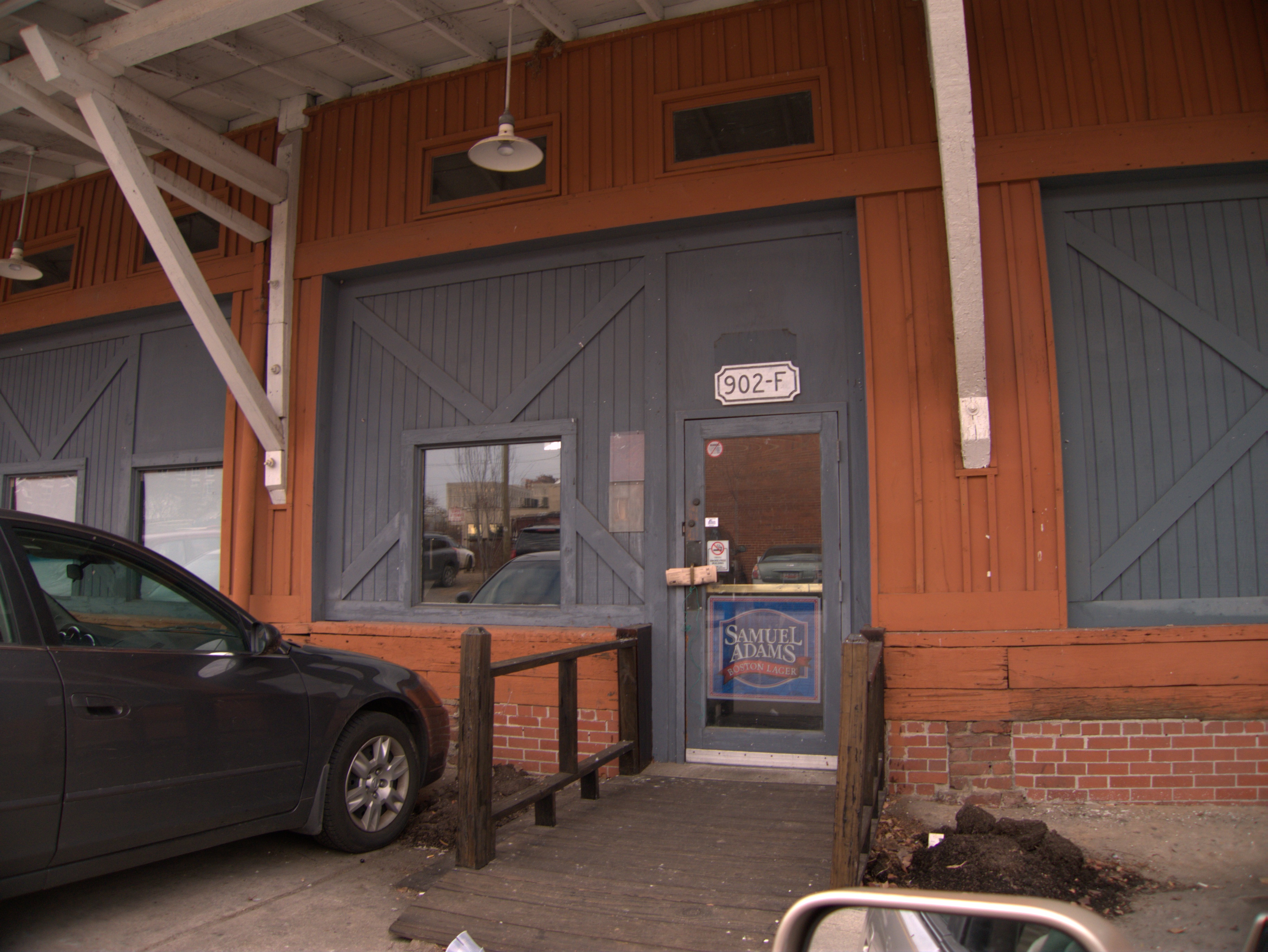
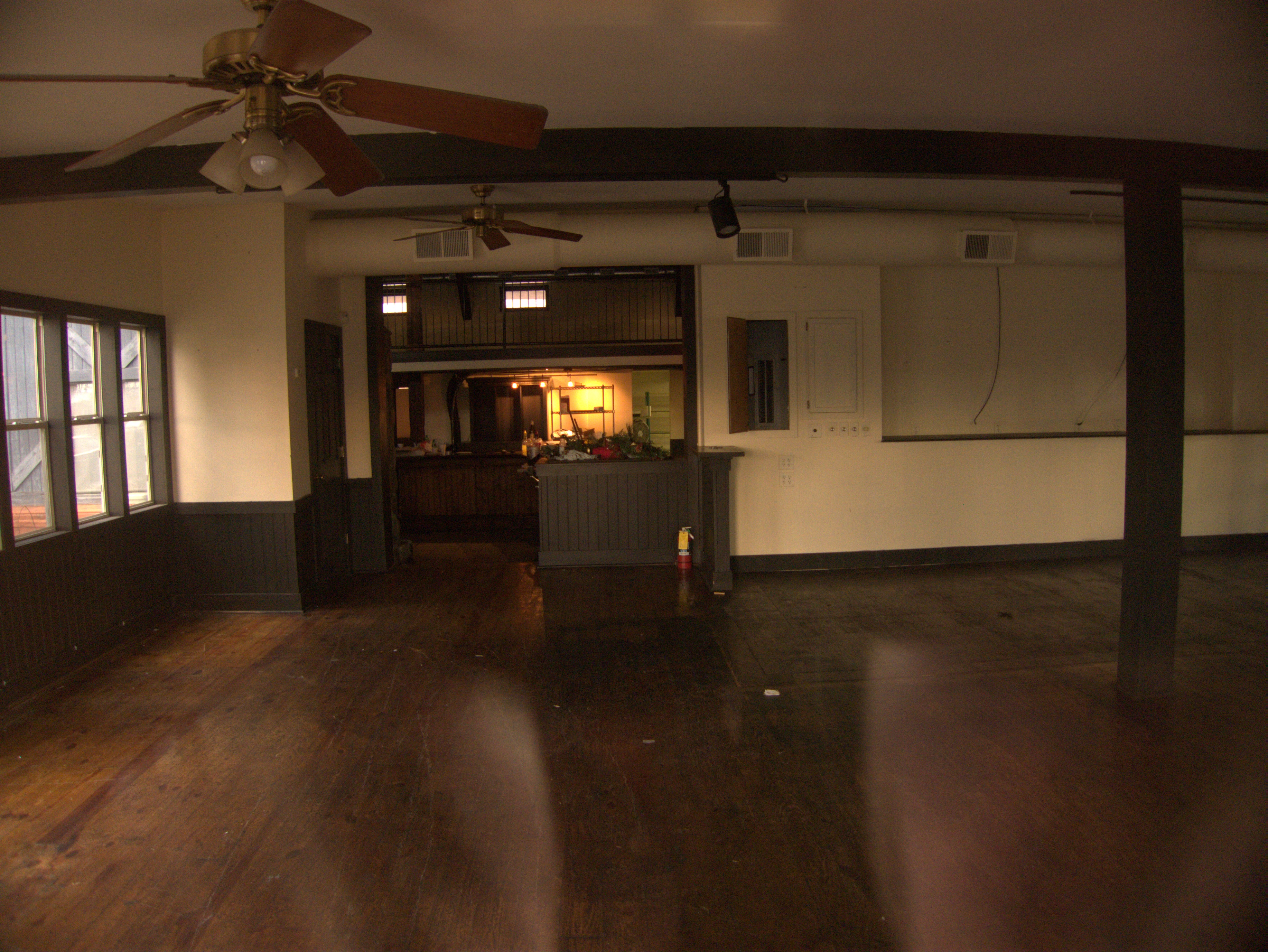
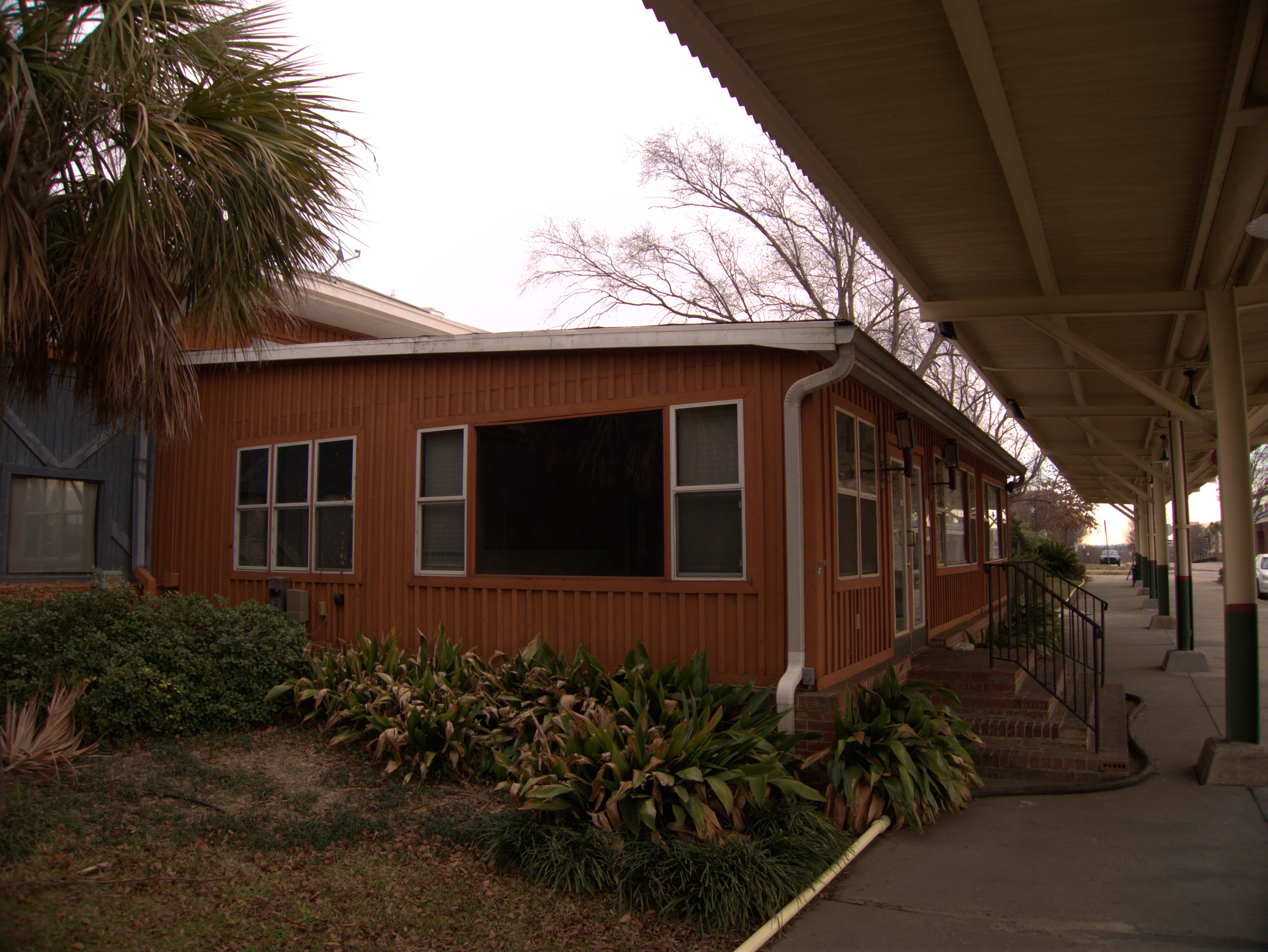
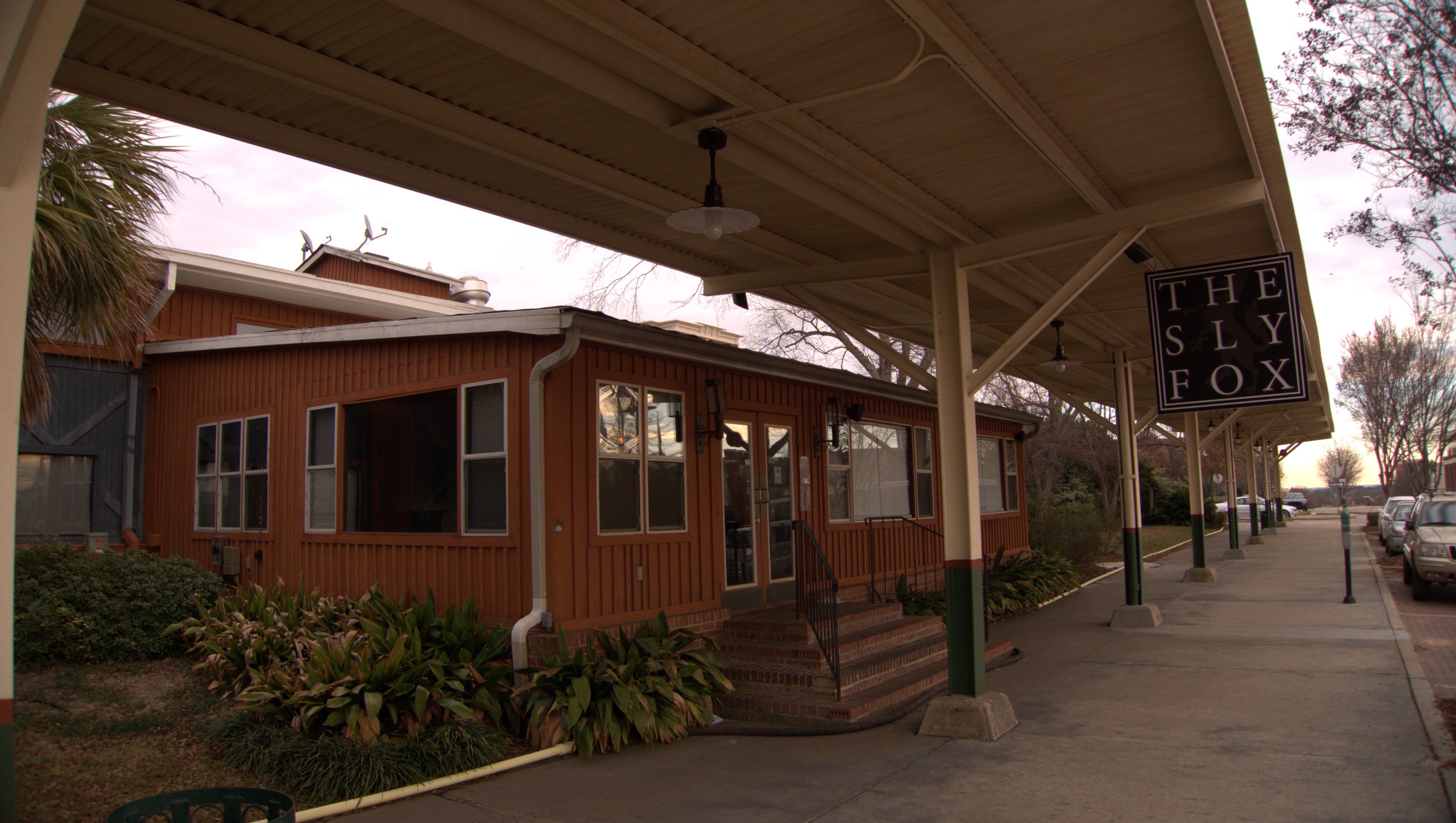
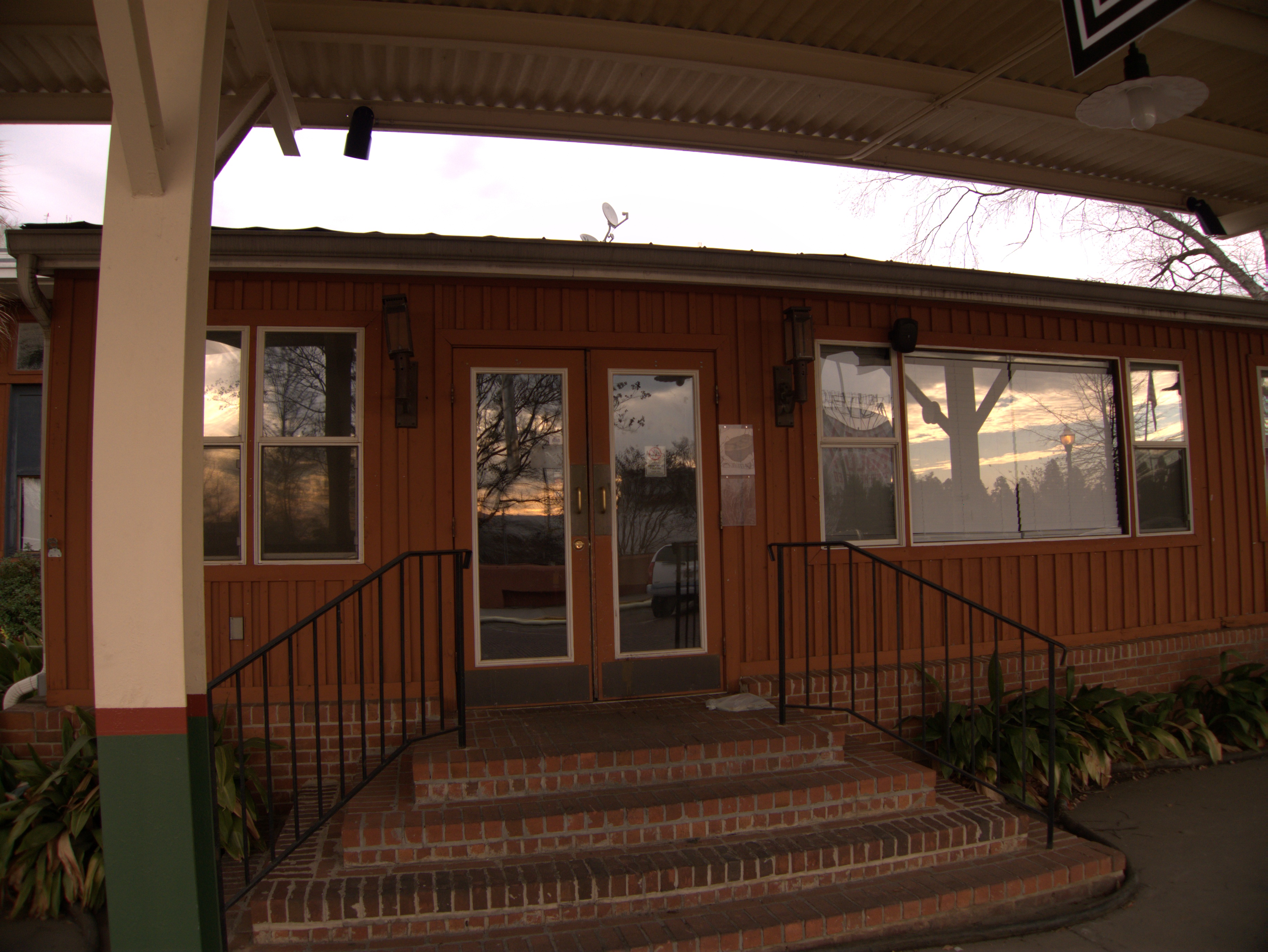
I never made it to The Sly Fox which is a shame, because they had "poutaine" on the menu -- something I've wanted to try ever since hearing of it. My understanding is that it is basically french-fries covered with cheese-curds and gravy. The menu on The Sly Fox's web site (already off-line) specified that it was "squeaky" cheese curds too. According to what I've heard about cheese curds, they only squeak when there are fresh, basically only on the first day after, um, curding. This makes me wonder where they could have been getting the curds, as I'm not aware of any local cheese makers, and have never seen cheese curds for sale in Columbia.
Commenter Barb reports The Sly Fox was closed as of 4 Jan. I went by a couple of times this week, and there seemed to be a crew carting stuff out of the place. As you can see, the interior is pretty bare now, and the sign on the east side is down (though the one on the west is still up). The place is pretty much right across the street from Damon's and Paul's, so there is a good bit of vacant restaurant space in the area now.
(Hat tip to commenter Barb)
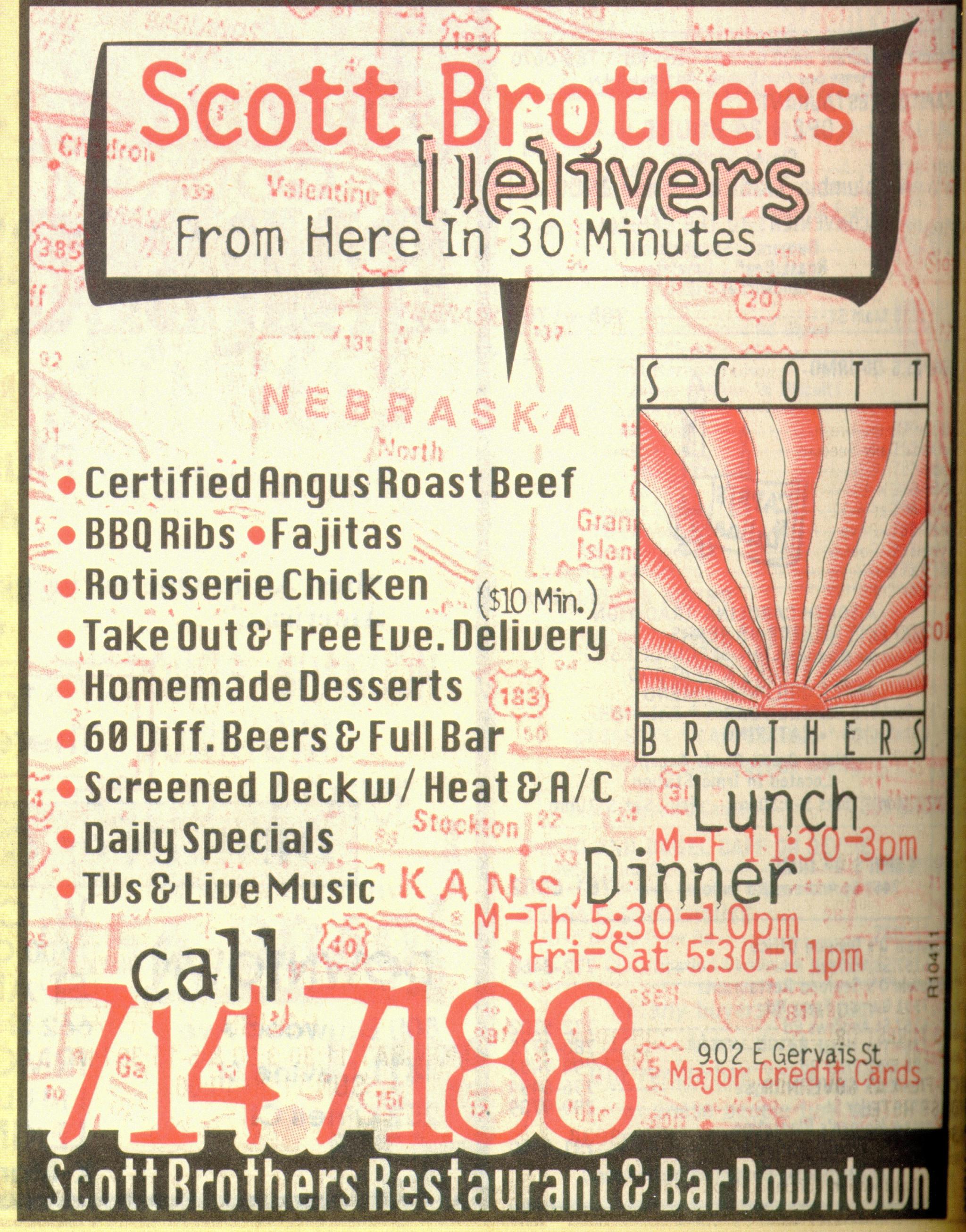
UPDATE 26 Jan 2011 -- Based on the comments I have added Scott Brothers & Palmetto's. Here is the Feb 97-Feb 98 Bellsouth Yellow Pages ad for Scott Brothers:
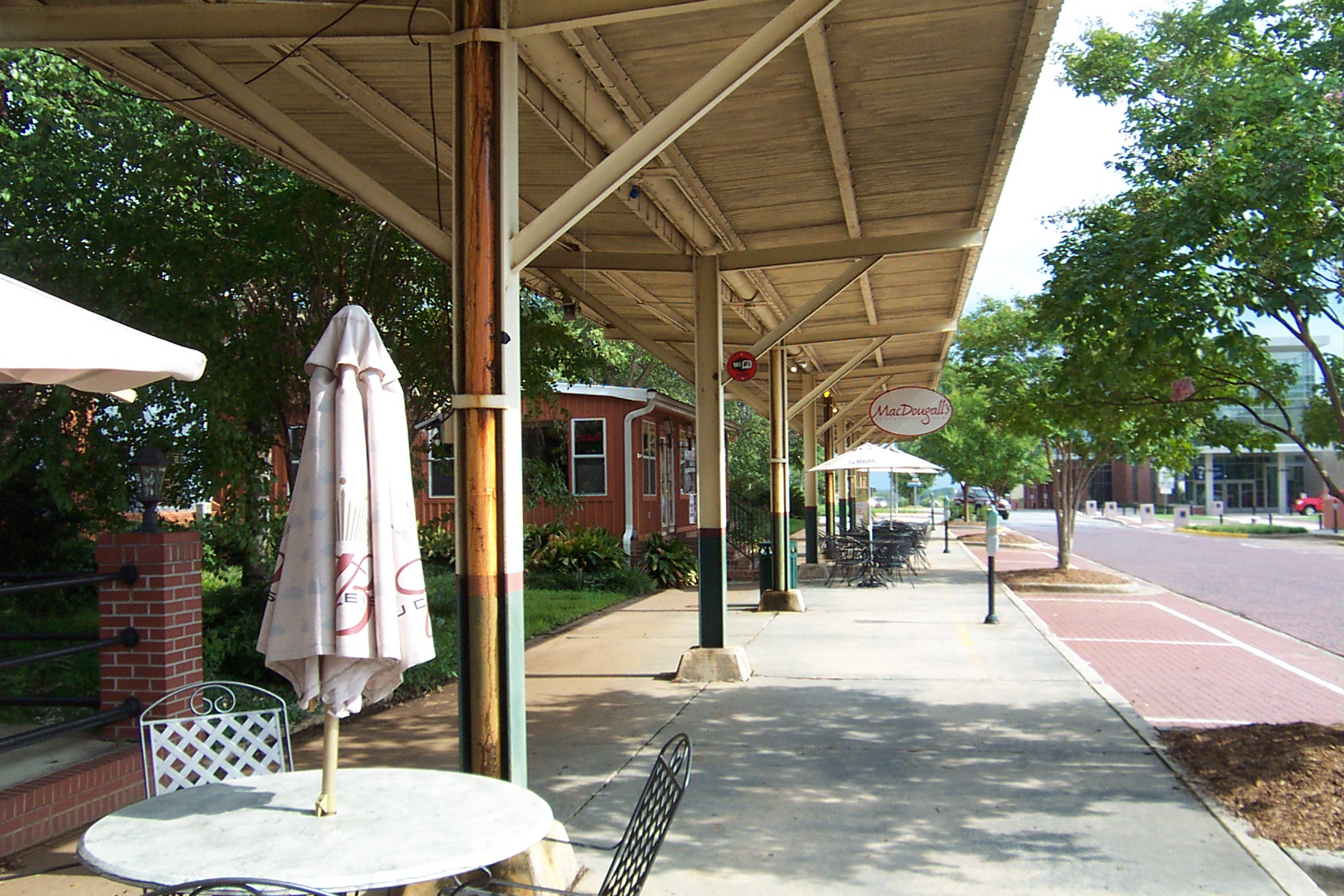
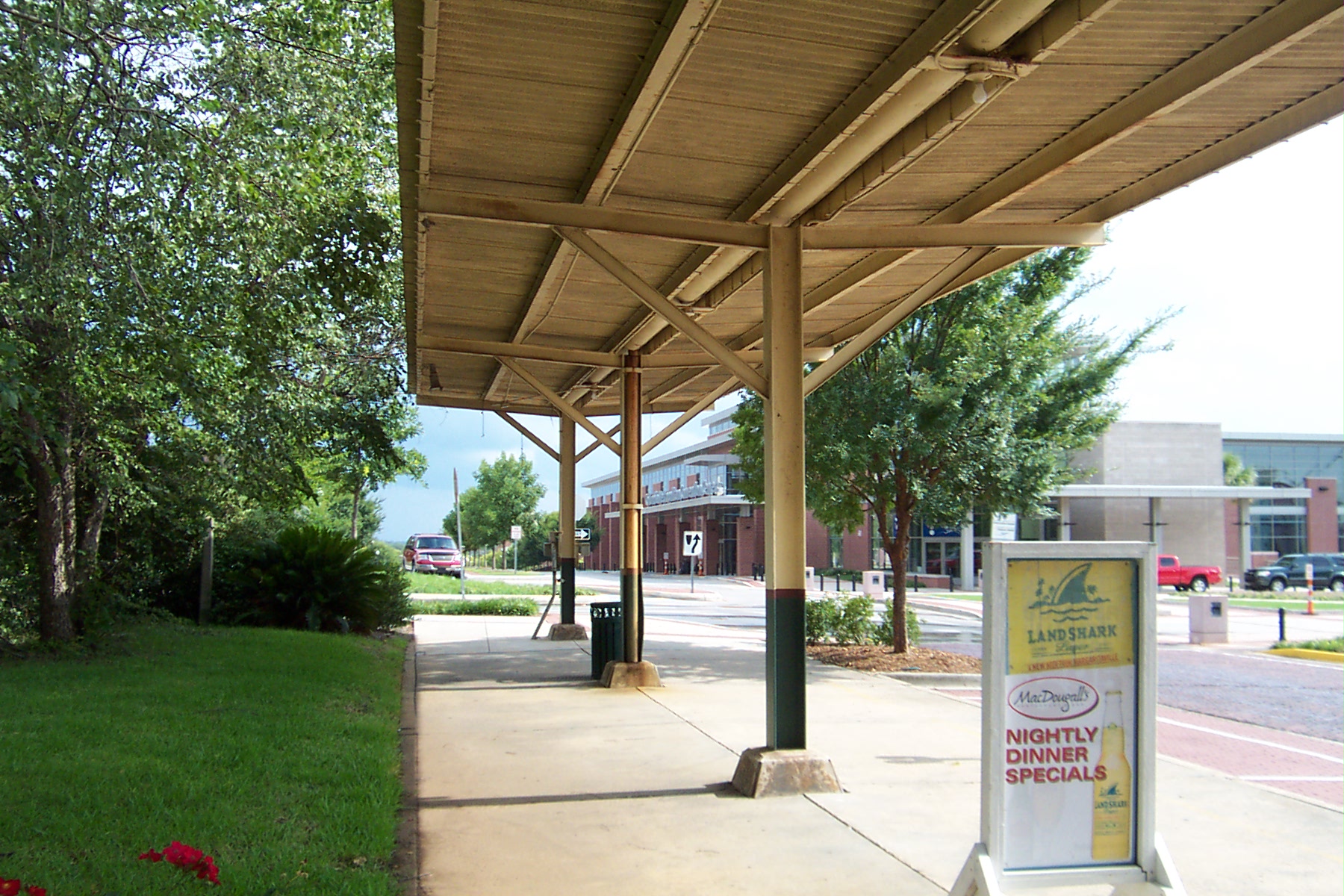
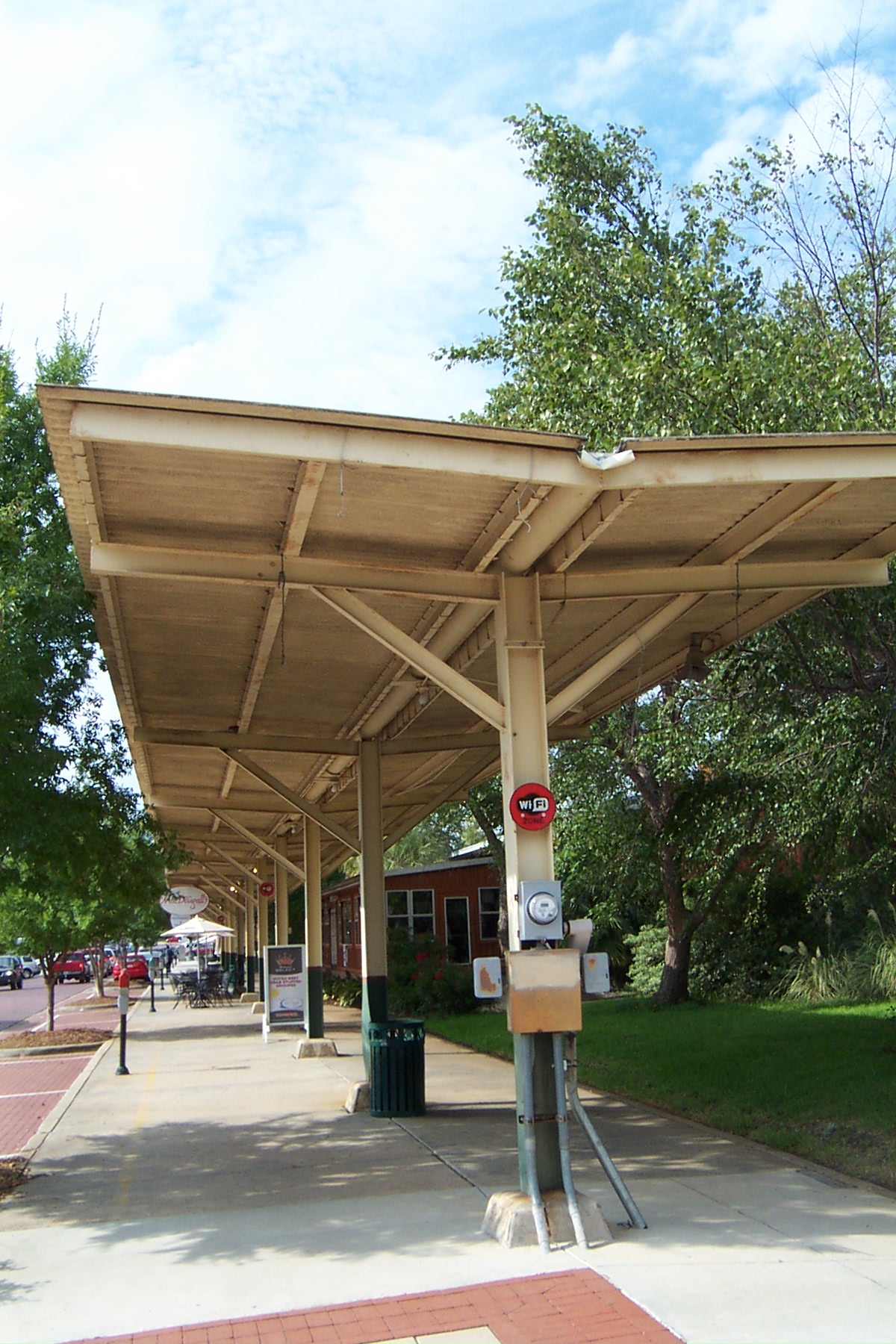
UPDATE 27 Jan 2011 -- It turns out I had some pictures of the MacDougall's incarnation as well:
Tire America / National Tire & Battery, 7201 Two Notch Road, Suite 900: mid 2000s 12 comments
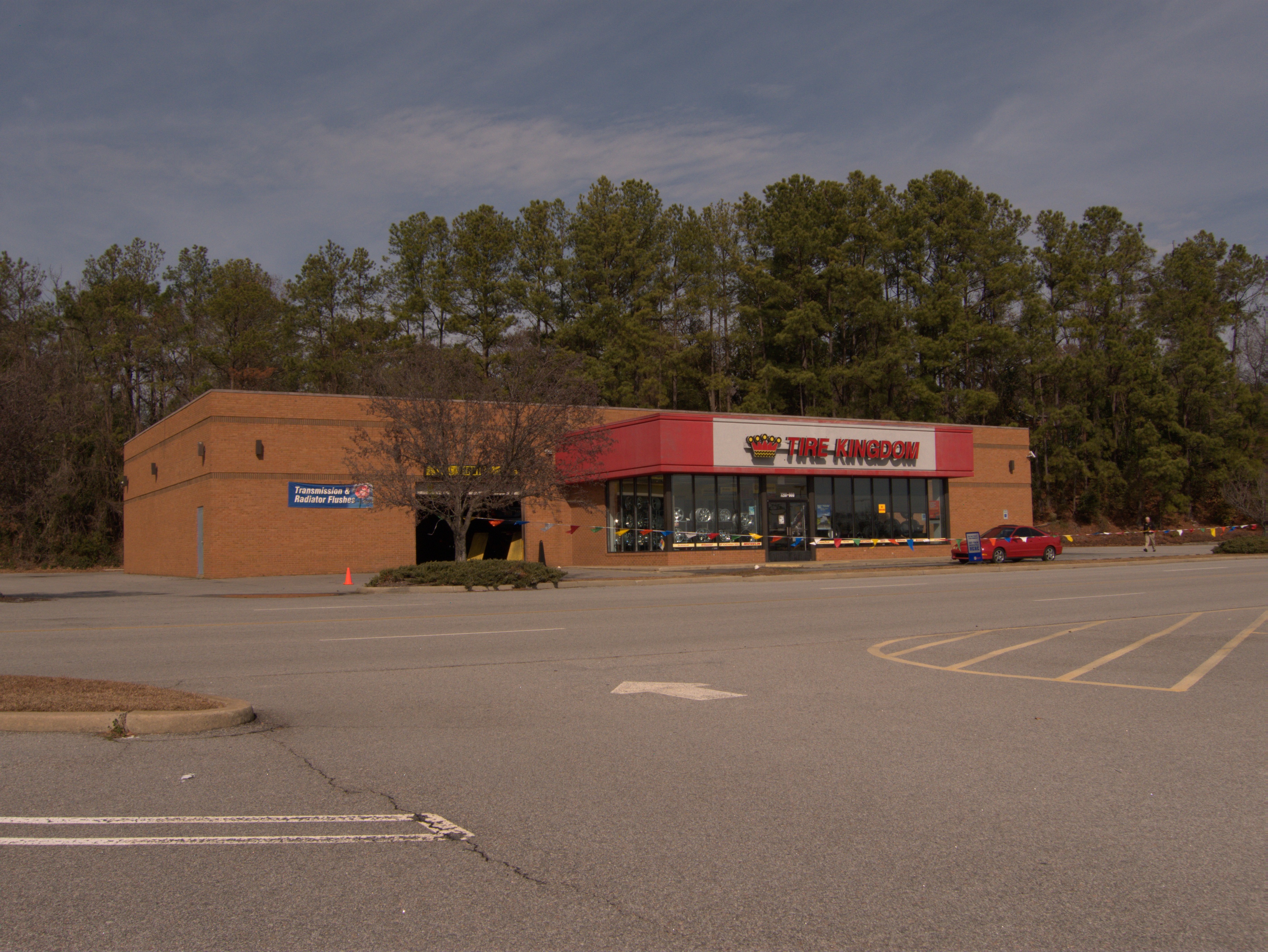
National Tire & Battery (now a Tire Kingdom) was in this Columbia Mall outbuilding more or less behind the old Penny's location. I actually did go there once a few years ago when my car started really thinking about things before turning the starter over. I usually put Die Hards in my cars but for some reason or another I was not able to get served by Sears that day. I'm not building up to anything here -- it was perfectly acceptable service and a battery that lasted several years. (I've actually had much worse luck with alternators than batteries anyway). I guess I would have been hosed if I had needed to take advantage of the battery warranty as they closed fairly shortly thereafter, but in the event it wasn't an issue.
I don't believe the building was vacant long at all as Tire Kingdom moved in shortly thereafter. I find it a little amusing that this large, freestanding building has only a suite number, while all the little suites at The Shoppes at Meeting Place have full street numbers.
Huddle House / Title Cash, 3801 Rosewood Drive: 2010 etc 14 comments

I've always thought of Huddle House as a downmarket Waffle House, which is saying something, but it almost seems like the way Hardee's and Bantam Chef used to be related -- you saw the second in places that couldn't support the first. I'm pretty sure I've been in a Huddle at one time or another, but I have absolutely no reliable memory of such an occasion right now. I am sure I was never in this one which sits at the intersection of Rosewood Drive and Kilbourne Road.
The LoopNet listing suggests that the follow-on operation, one of Columbia's ubiquitous (but not apparently very lucrative) title pawn operations, has been closed at least since mid October 2010.
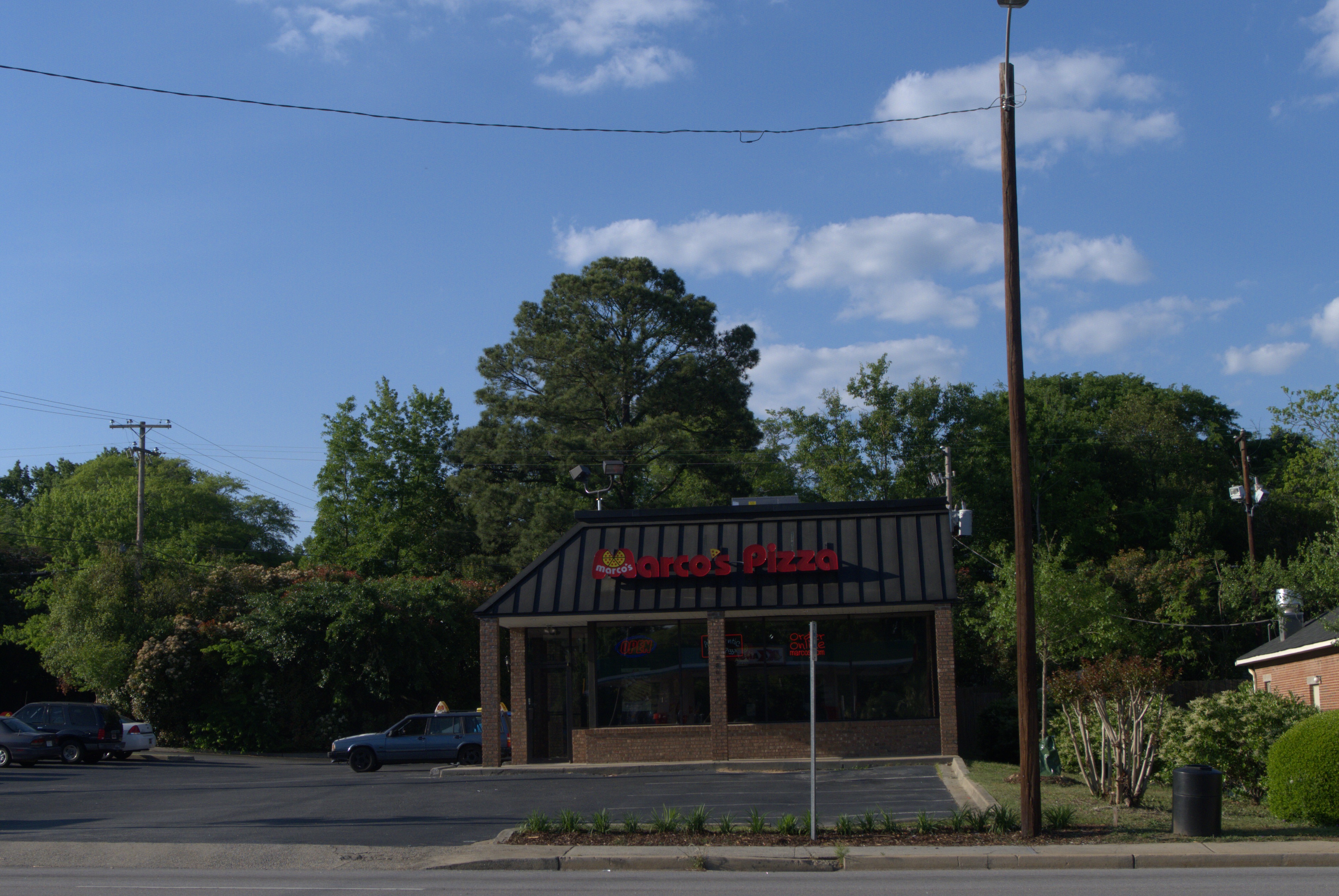
UPDATE 12 April 2012 -- It's now a Marco's Pizza:

UPDATE 17 August 2023 -- Update tags, add map icon.

Jumpin' Jacks Giant Jersey Subs / Gervais Street Deli, 1200 Main Street Suite 102: 2009/2010 no comments
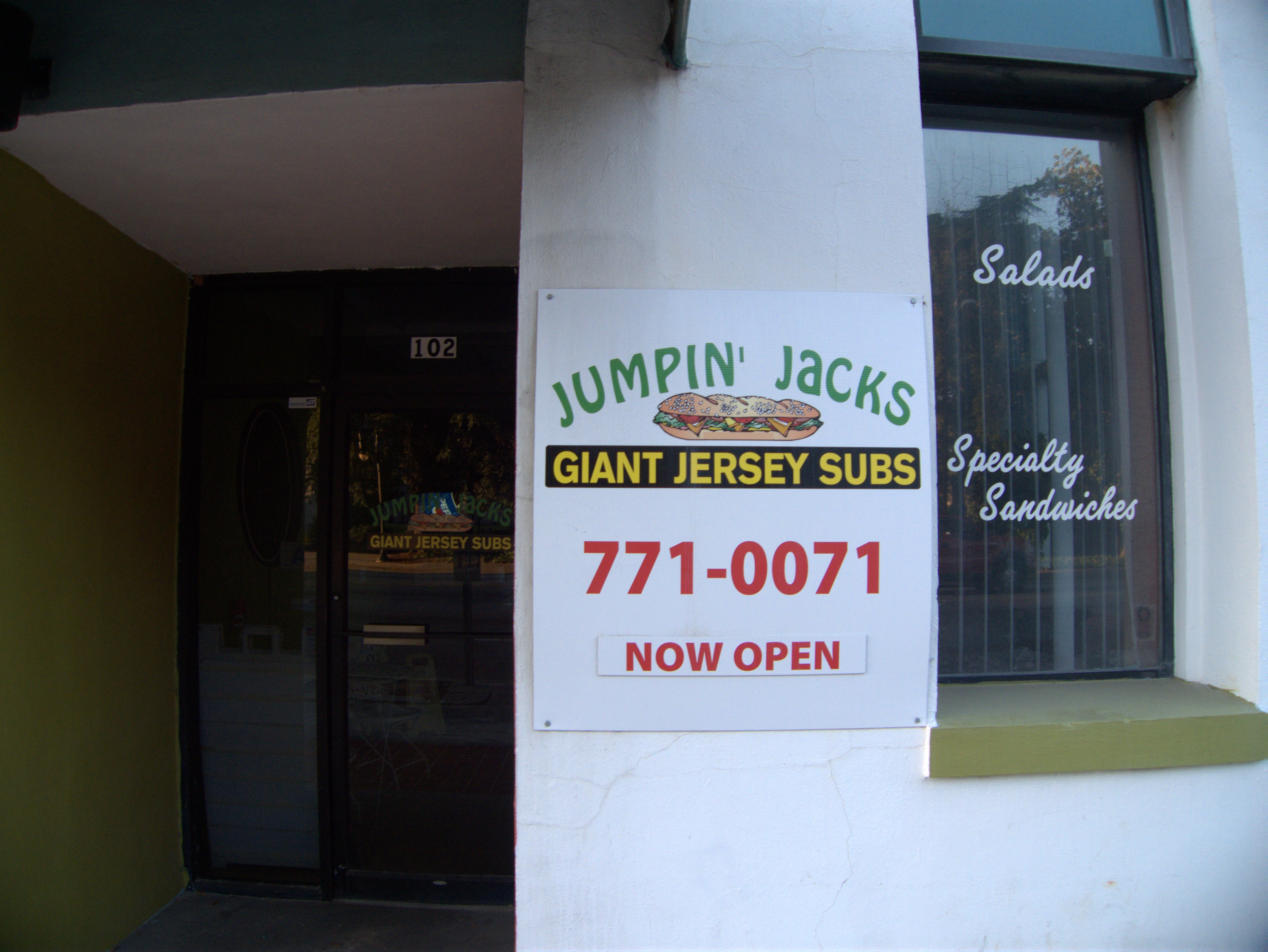
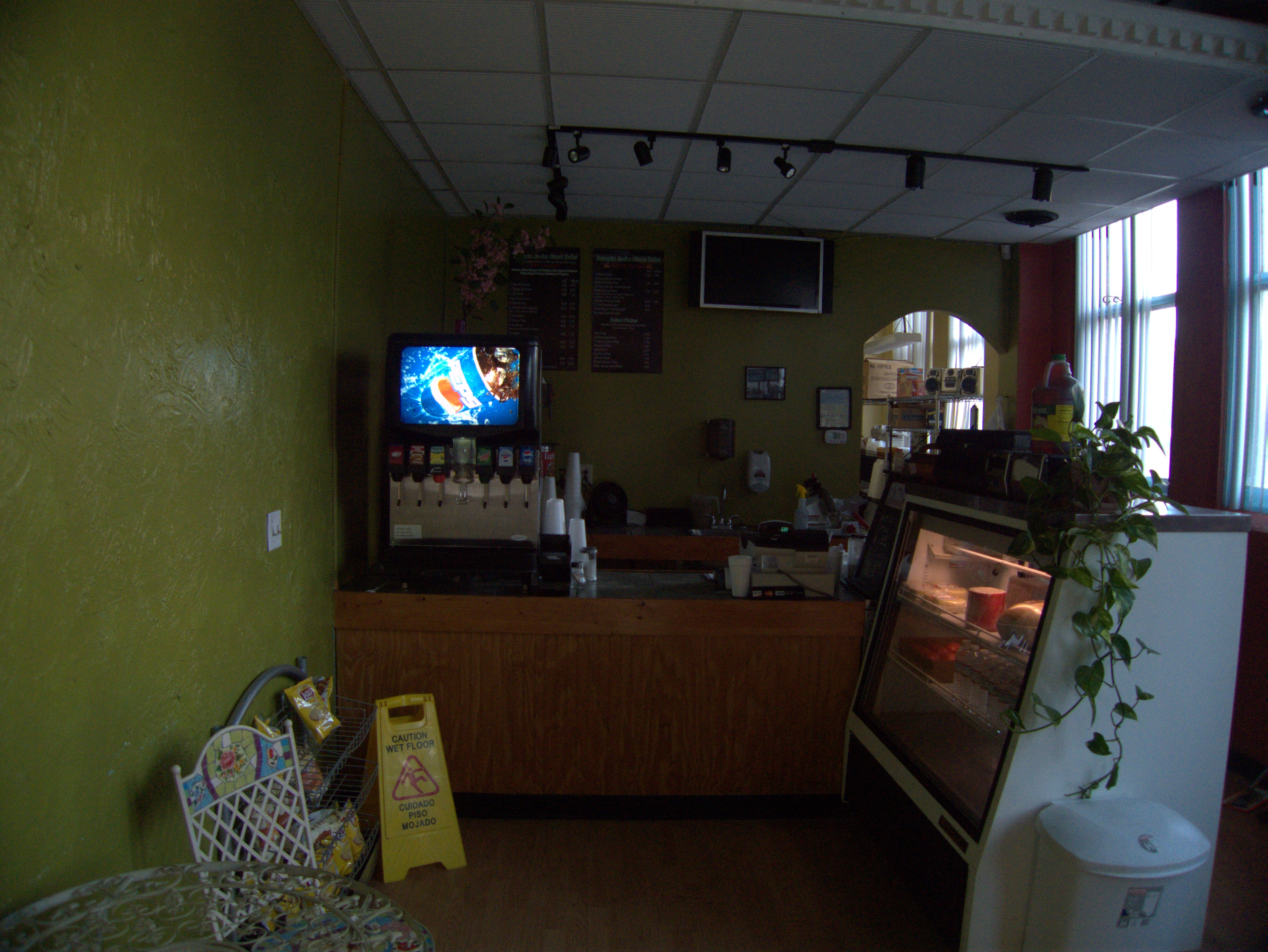
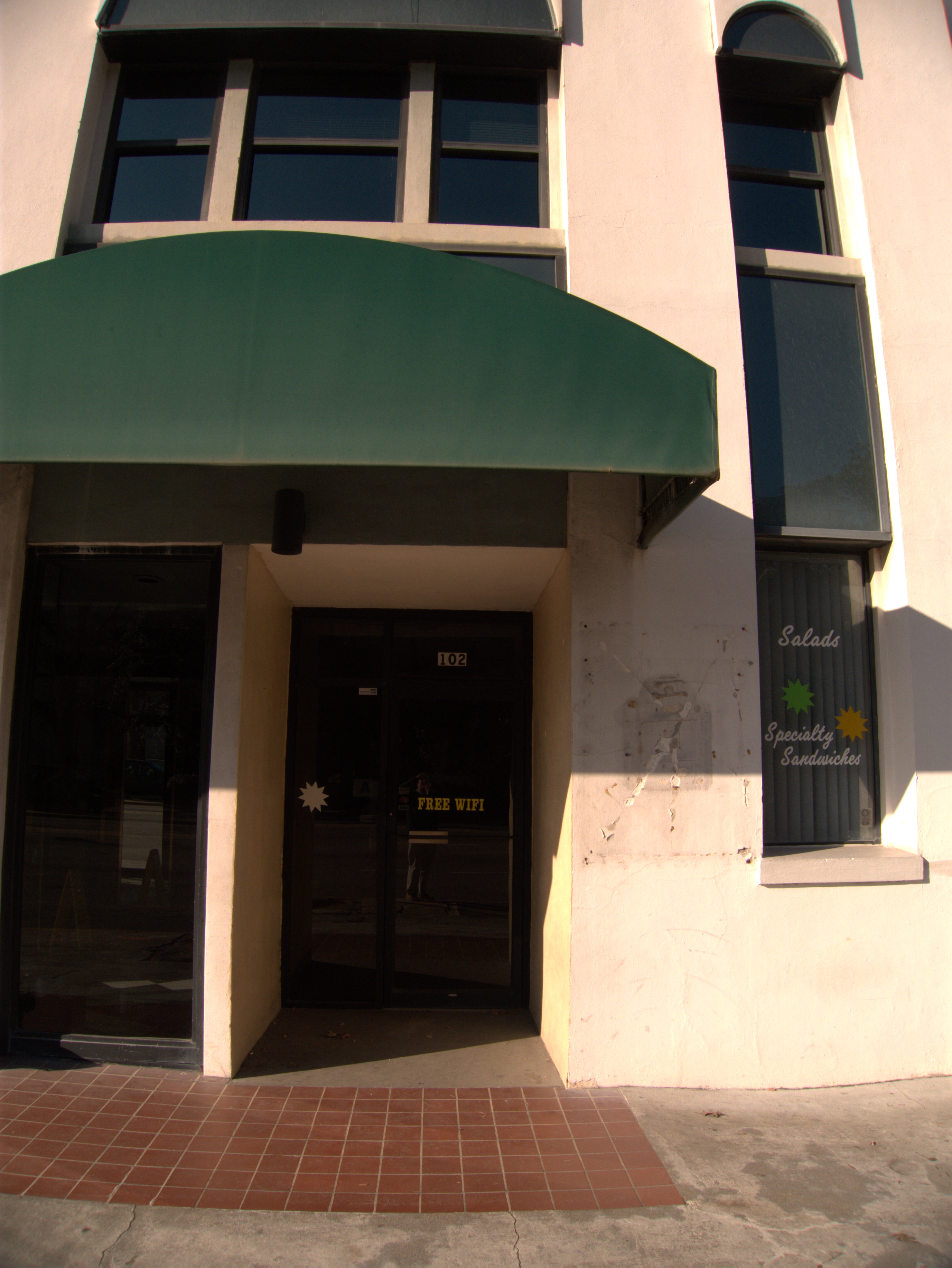
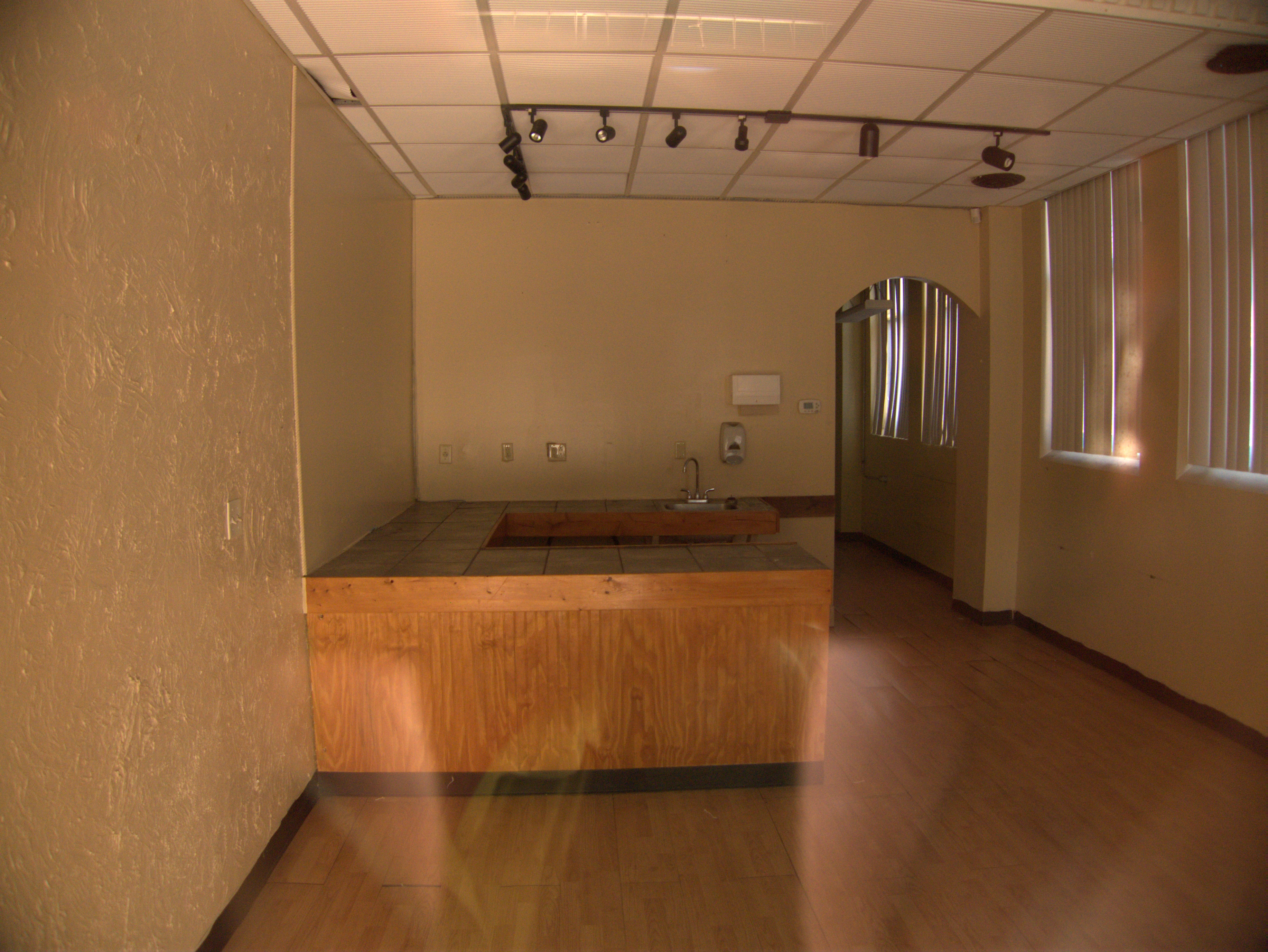
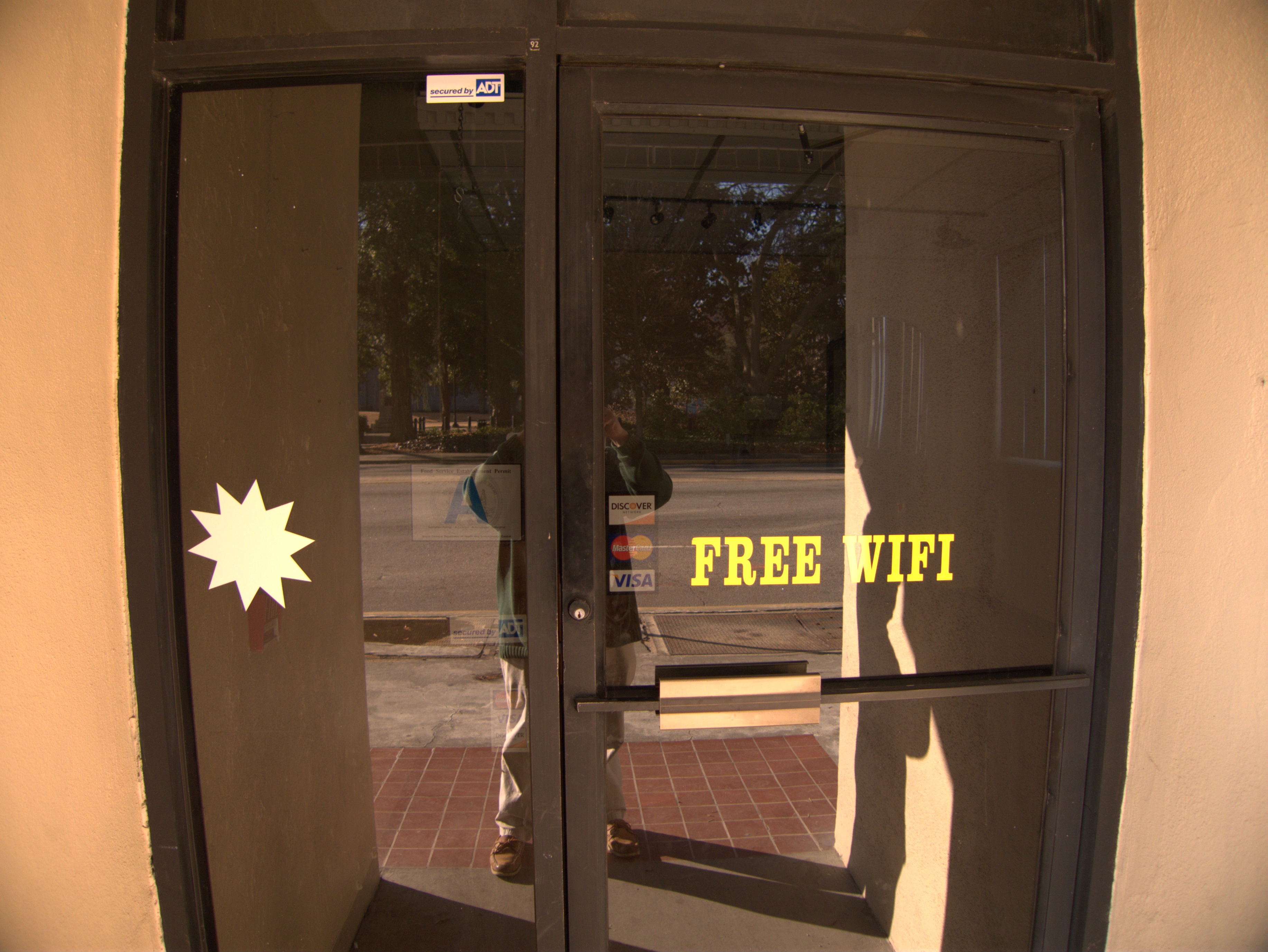

Things move really fast sometimes. I had first written about this little space fronting on Gervais Street just across from the Capitol and above The Whig in a closing for Holey Dough Cafe. By the time I got around to taking pictures of it, all the Holey Dough identity was gone, and the place was in full operation as a sub shop, Jumpin' Jacks Giant Jersey Subs.
The first I knew that that place was gone was when commenter Midnight Rambler mentioned that the next operation (which I had never heard of) had closed!
All I can say about the Gervais Street Deli is that a) it had wi-fi and b) It was, technically, not on Gervais Street...
(Hat tip to commenter Midnight Rambler)
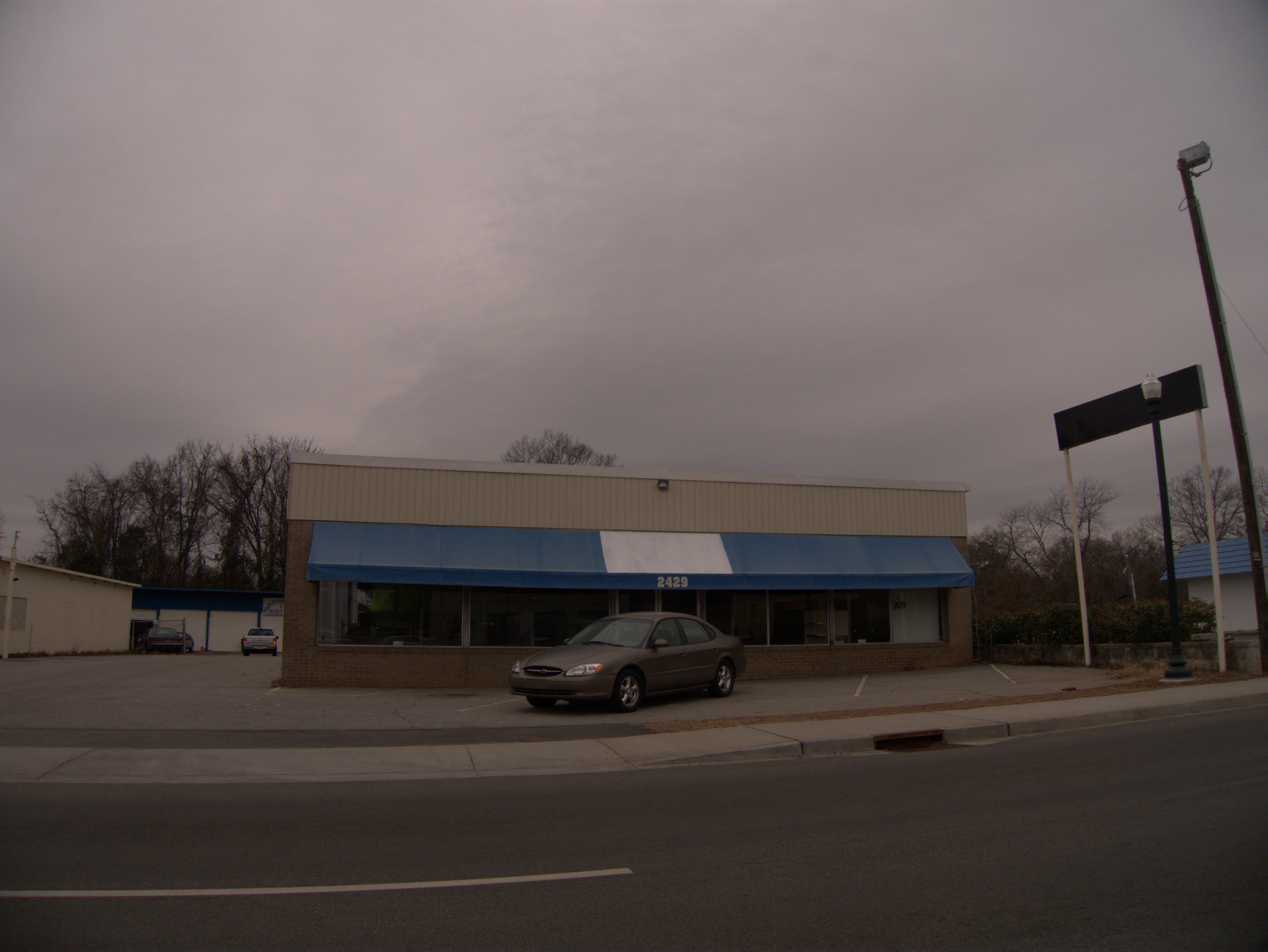
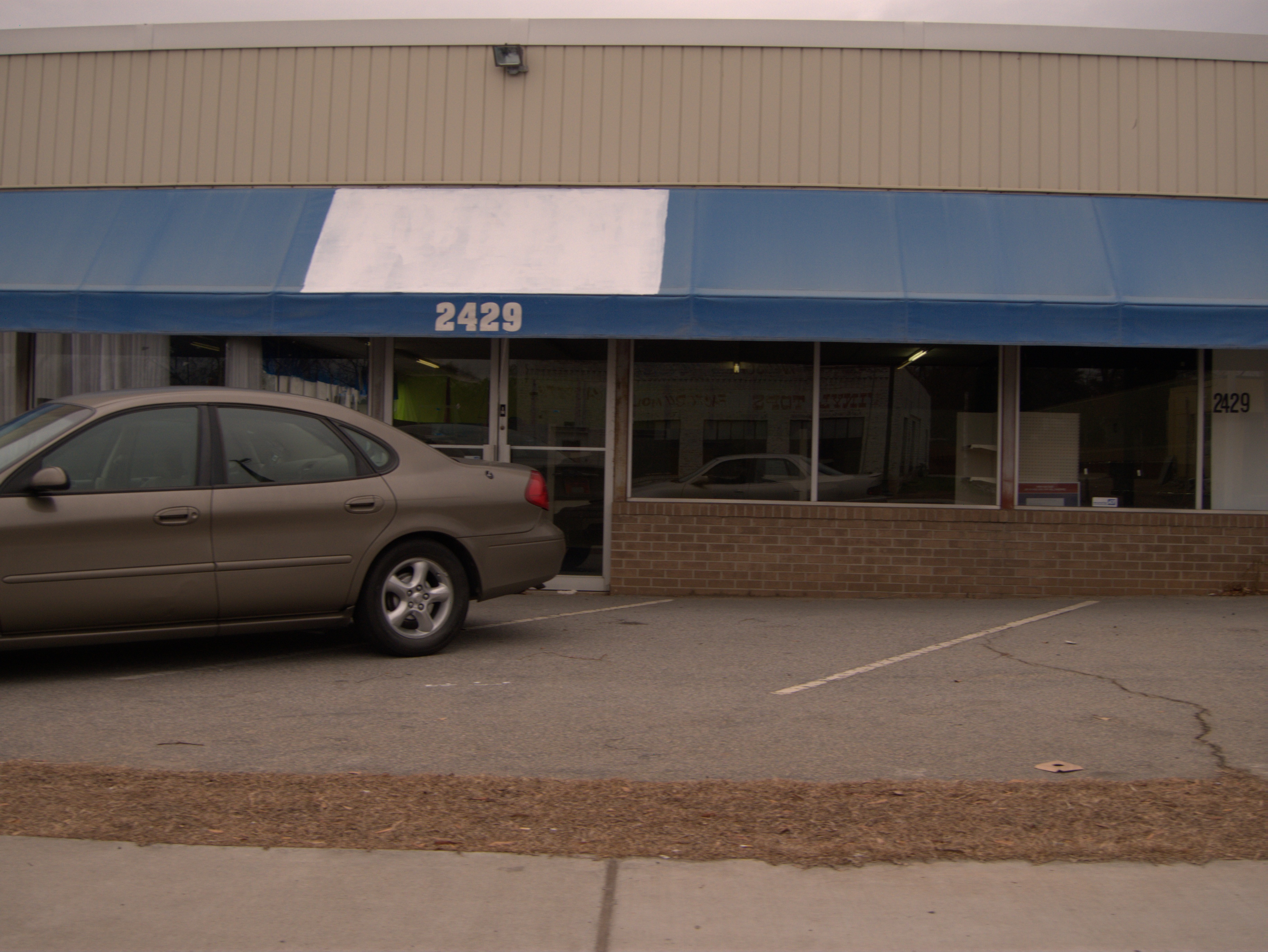
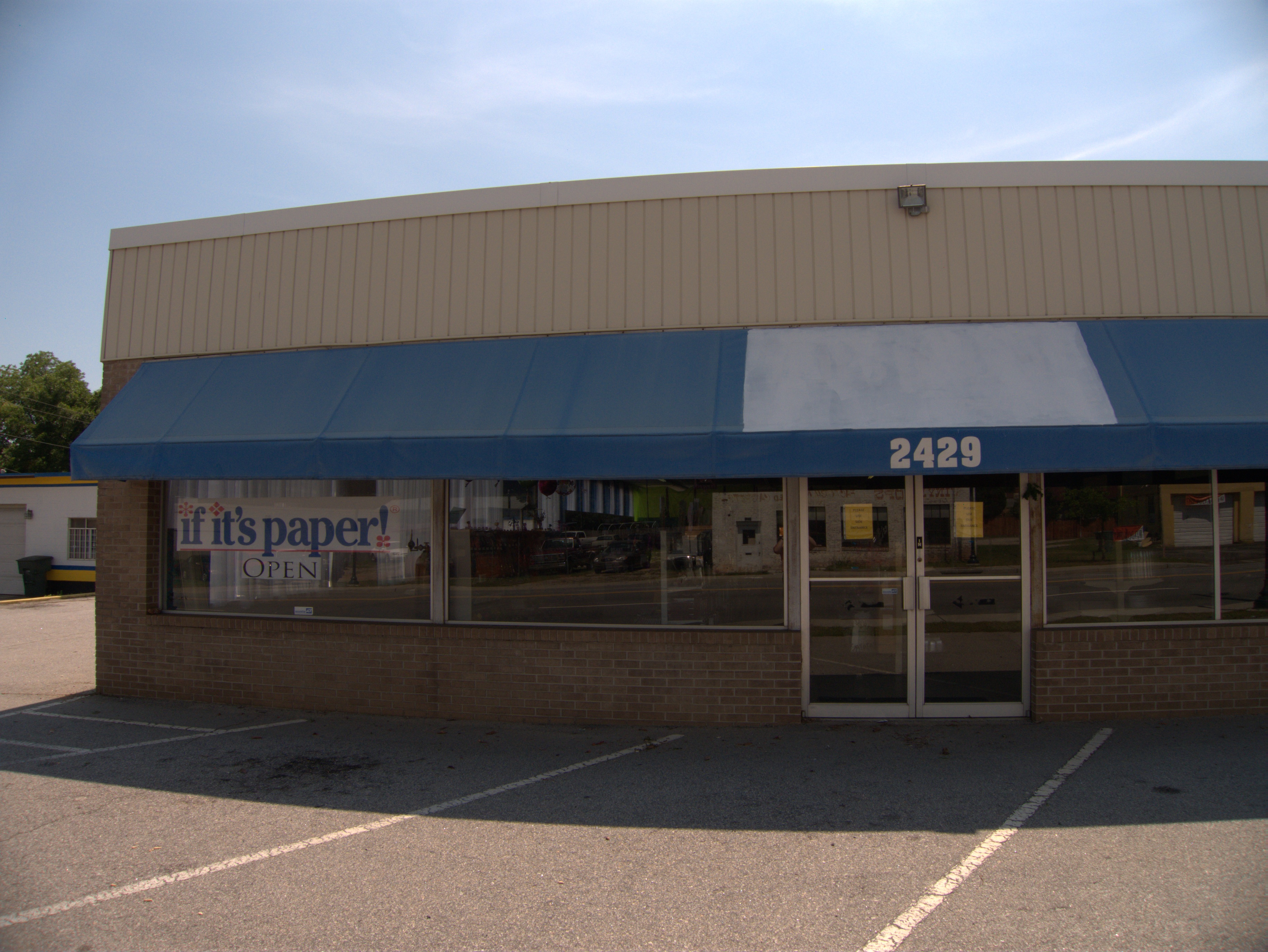
If It's Paper, 2429 Main Street: Late December 2010 (open again) 7 comments
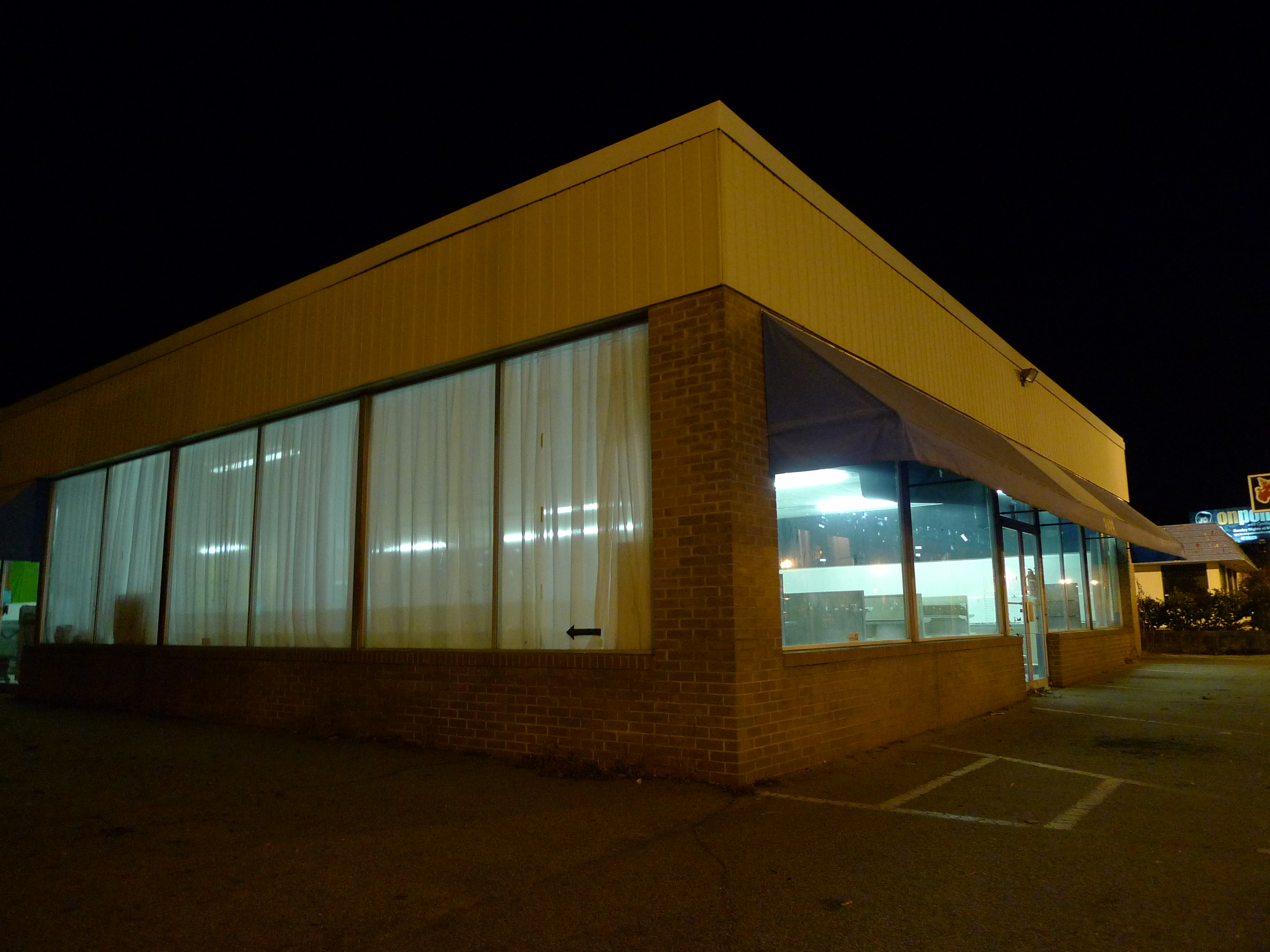
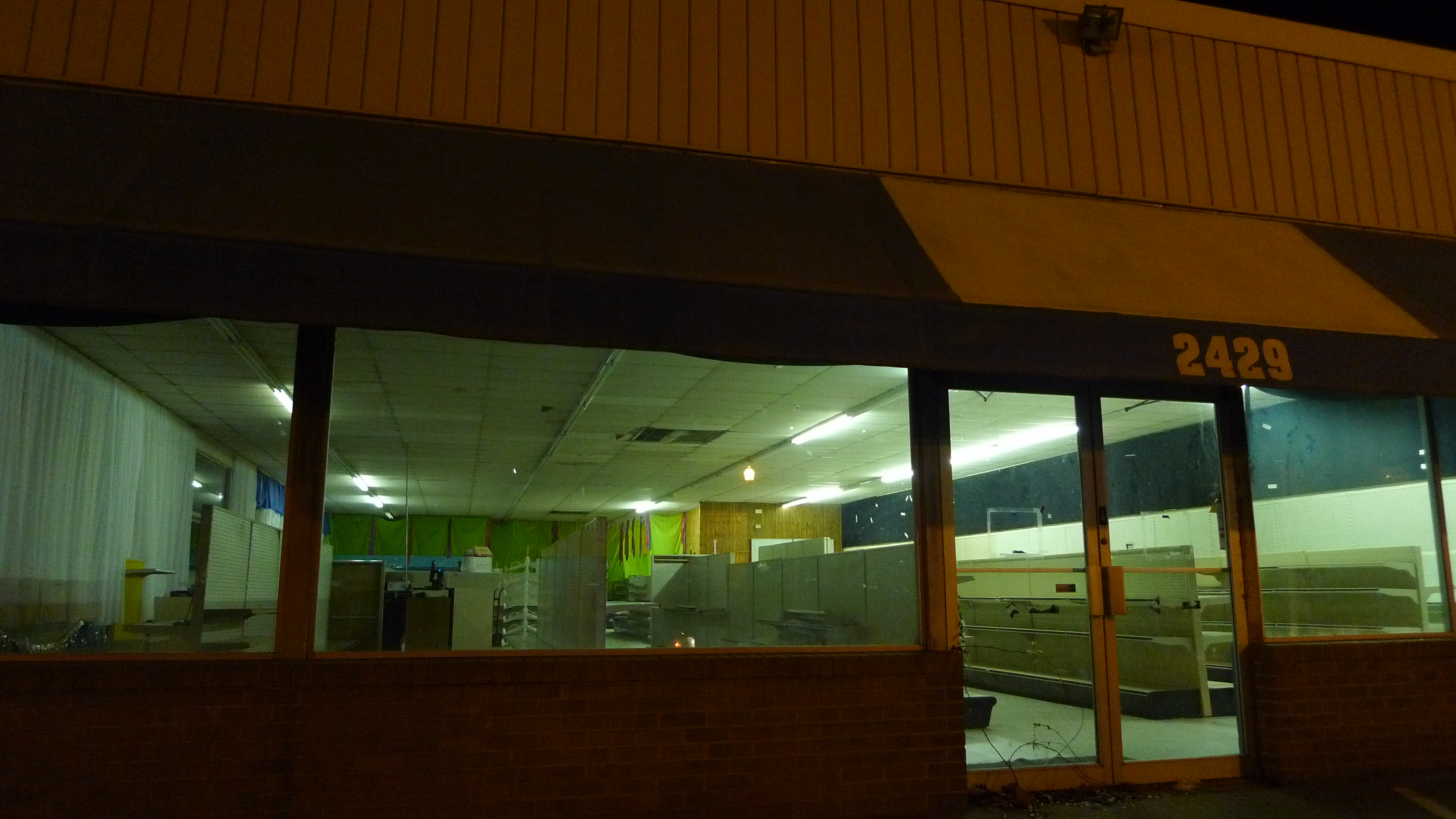
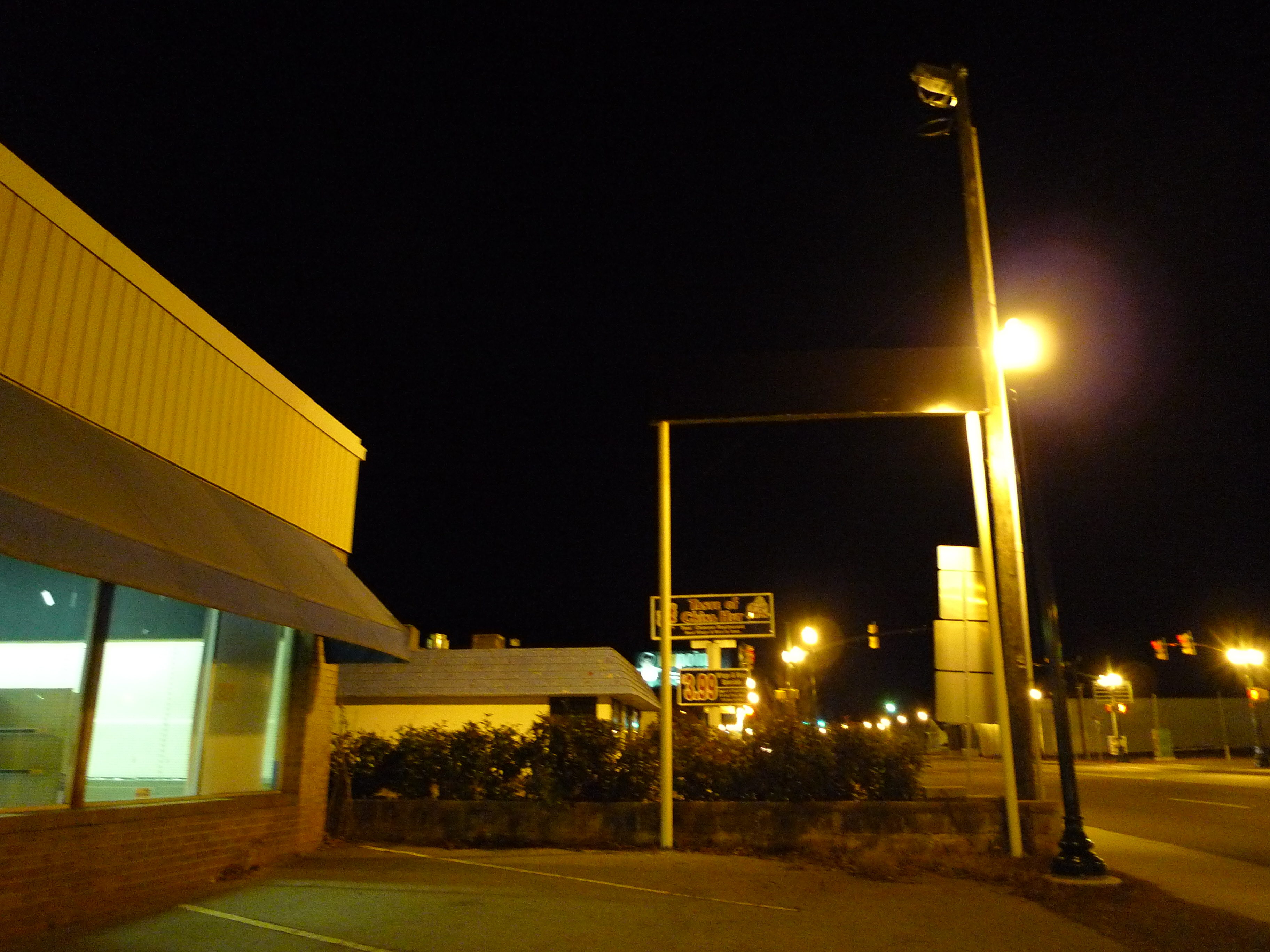
When I started Computer Science at USC, we submitted "jobs" to the central campus computer on punched cards. These cards had 80 colums and were created on a "keypunch" machine, which was a typewriter-like keyboard affixed to a rather imposing and noisy machine about the size of a large gas grill. The punch would print what you had typed across the top of the card, and punch out chads underneath each letter or number to create a digital representation of the symbol. This was a very mechanical process and with lots of paper chips flying around, the machines tended to jam with some regularity -- so much so that the computer lab operators kept special tools (hacksaw blades carved into curved hooks) to unjam them. Obviously, since you were actually punching holes in the card, there was no way to "undo" a mistaken keypress. Once you got your cards punched correctly (or what you thought was correctly) you took them to a "card reader" which was sort of a cross between a vacuum cleaner and a las-vegas card shuffling machine, and assuming it didn't jam as well, it sent them down a leased line to the Amdahl at CSD (it had been an IBM-370, but the rumor we heard was that the guy who authorized buying it got sent on an all expense paid vacation by IBM and so the State required it to be re-bid).
I am going somewhere with this, and I'm starting to get there now: When your "job" was processed, the output was printed at the computer lab on a band printer with green fanfold paper, and it was printed entirely in upper case (and usually with a fading ribbon). So here's what I'm driving at: The whole process was more difficult than using a typewriter and the output looked worse. The idea that using a computer would make writing easier or look better would have sounded pretty stupid to me in 1980.
That's why it was a real revelation to me when I got access to the PDP-11 minicomputer at the CSCI department and discovered a non-IBM environment called Unix (the spirtual ancestor of Linux). Apart from its many advantages as a platform for programming, the first commercial sales of the system (which had been developed for internal use by then monopoly AT&T) had been driven by its documentation tools, including the text processor troff. Not only did the system have tools that made formatting documents much easier than typing -- the department actually had a printer which would print both upper and lower case!
I was hooked, and even though troff is now considered obsolete, I use it to this day for any significant document I have to do unless I'm specifically told I must use Word. (Or as I put it: If troff won't do what I want -- I change what I want). Thus, when it came time to do my thesis, I knew I wasn't going to type it on a typewriter. By that time, I had a daisy-wheel printer (remember those?) at home and a stripped down PC version of troff that would do for proofing when I couldn't access the department mini. The only fly in the ointment (aside from actually writing the darn thing) was the fact that the University required that all theses be submitted on 50% rag paper.
First of all, I didn't even know what that meant. It certainly sounded weird. How would I even know such paper? As it turned out paper with a high rag (cotton) content lasts longer, or as Wikipedia puts it (not that I could look it up there then!):
Certain cotton fiber paper is known to last hundreds of years without appreciable fading, discoloration, or deterioration;[1] so it is often used for important documents such as the archival copies of dissertations or theses. As a rule of thumb, for each percentage point of cotton fiber, a user may expect one year of resisting deterioration by use (the handling to which paper may be subjected).[2] Legal document paper typically contains 25% cotton. Cotton paper will produce a better printout than copy paper because it is able to absorb ink better.
OK, that sounded good, except for the part where I wanted to feed my thesis through a daisy-wheel printer in fanfolded, sprocket-driven form. Was my box of fanfold paper 50% rag? It was not. Was any box of fanfold paper at Softek 50% rag? Nope. Was any box of fanfold paper at any office supply store in Columbia 50% rag? Apparently not.
Enter If It's Paper. What I was looking for certainly was paper, and the implication of their name was If it's paper, then we have it. So, to bring this in for a landing -- the one time I walked into If It's Paper, looking for something I had never heard of until a few days previously, and which apparently not only did not exist anywhere in Columbia, but did not even have anyone who understood what I was asking for anywhere in Columbia, they knew exactly what I wanted and had a shelf full of it. Mission accomplished.
Of course, now I would google it and probably find someplace online within a few seconds -- I don't know if that was a factor in closing the store, but I do know I was glad to have it then.
(Hat tip to commenter BethB)
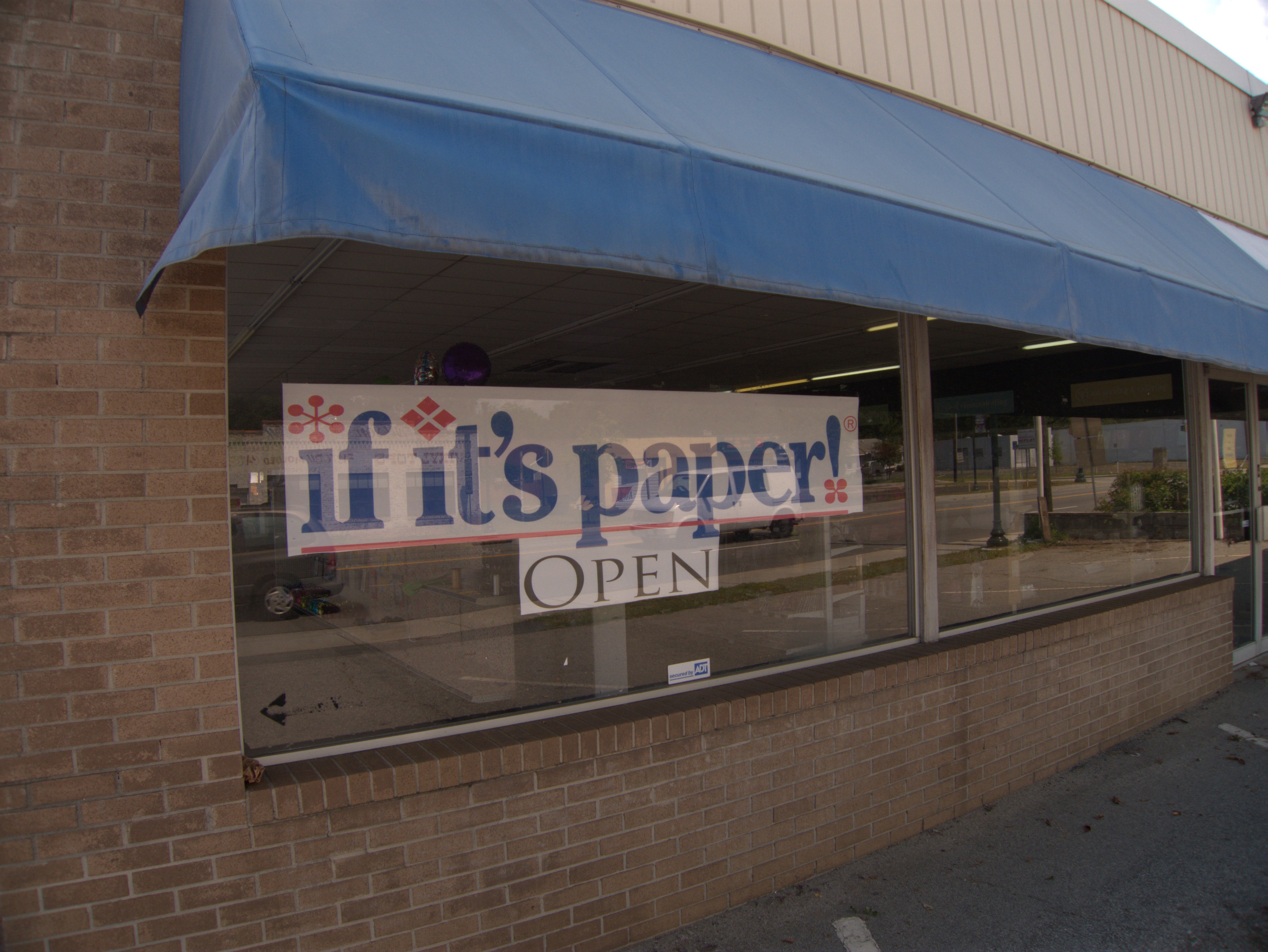
UPDATE 10 March 2011 -- Open again!
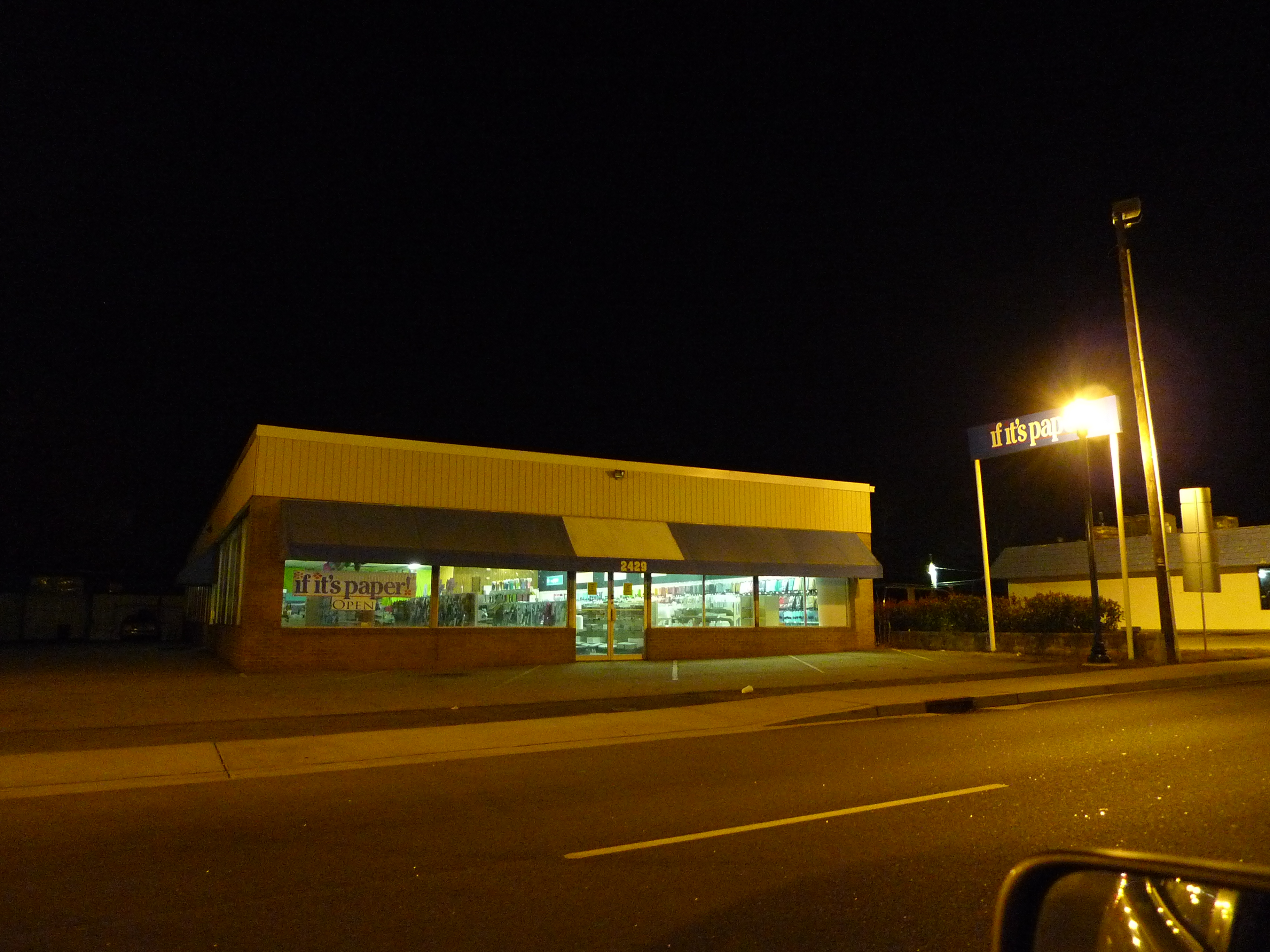
UPDATE 28 June 2011: I've been meaning to get some better pix of the store now that it's open again. The State also ran a nice story about the place. In essence, International Paper decided it didn't really want to be in the retail business despite the store making money and closed it. A local investor and the store manager got together to buy the name from International and re-opened as an independant business.

Been Hibernating? no comments
Well, it's half-way through January, so I think this is the last time I'll be touting the calendars (though you can buy them all year in the store), so: Get your Columbia Closings and Pawleys Island calendars here.
Remember, it'll be 2011 all year -- your 2010 calendar is now history, not current events!
Doc's Gumbo Grille, 3830 Rosewood Drive: 4 comments
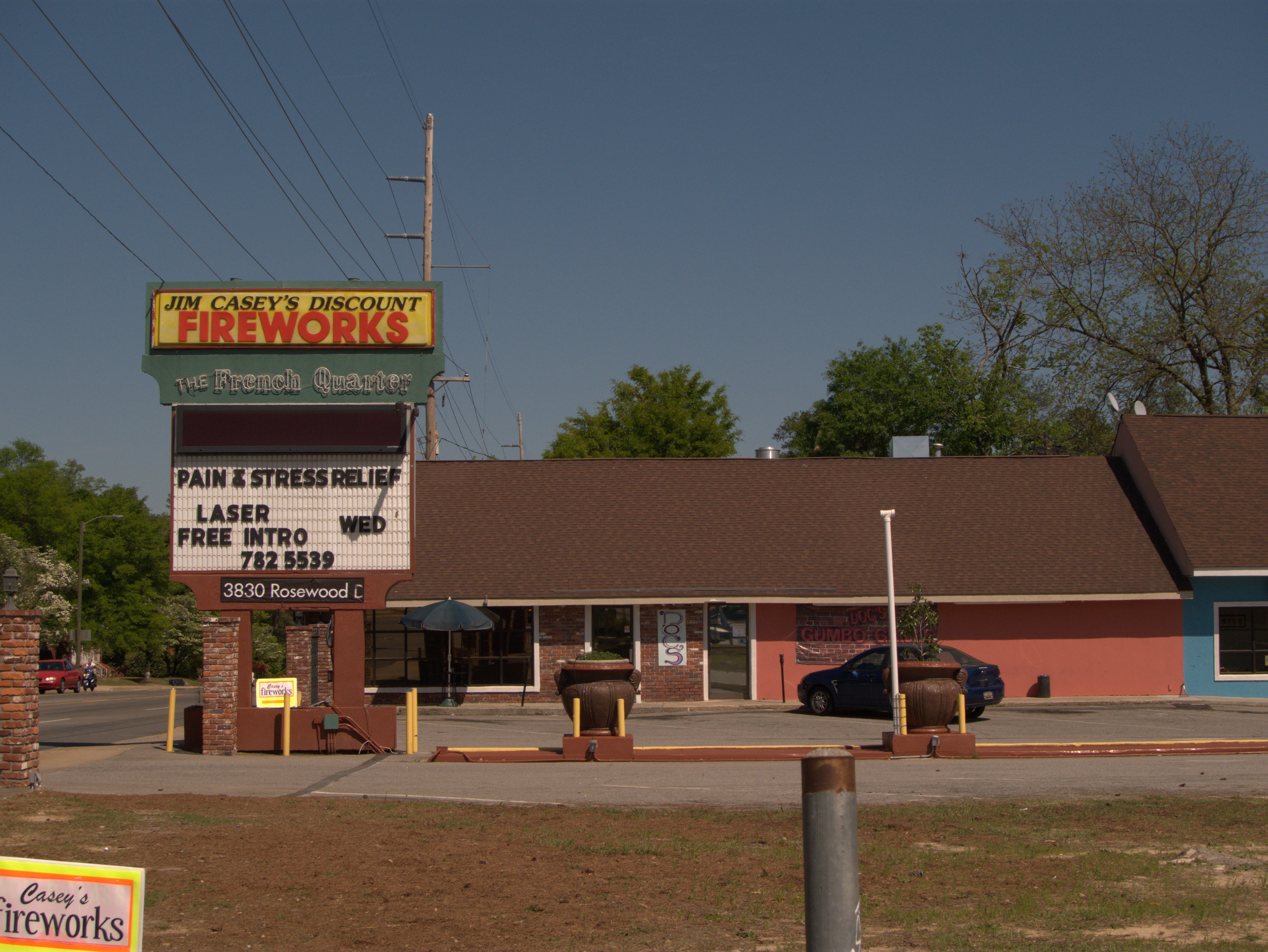
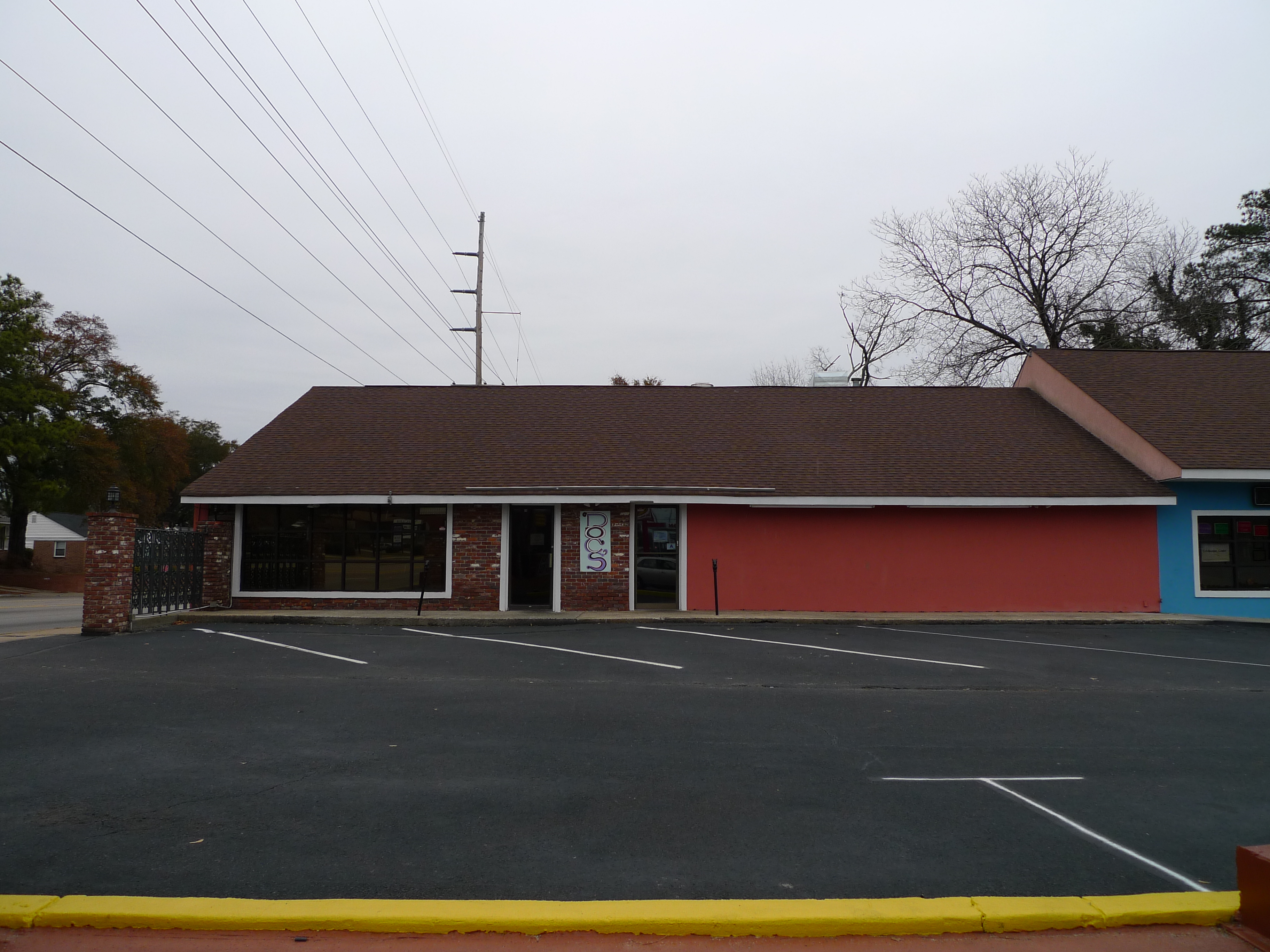
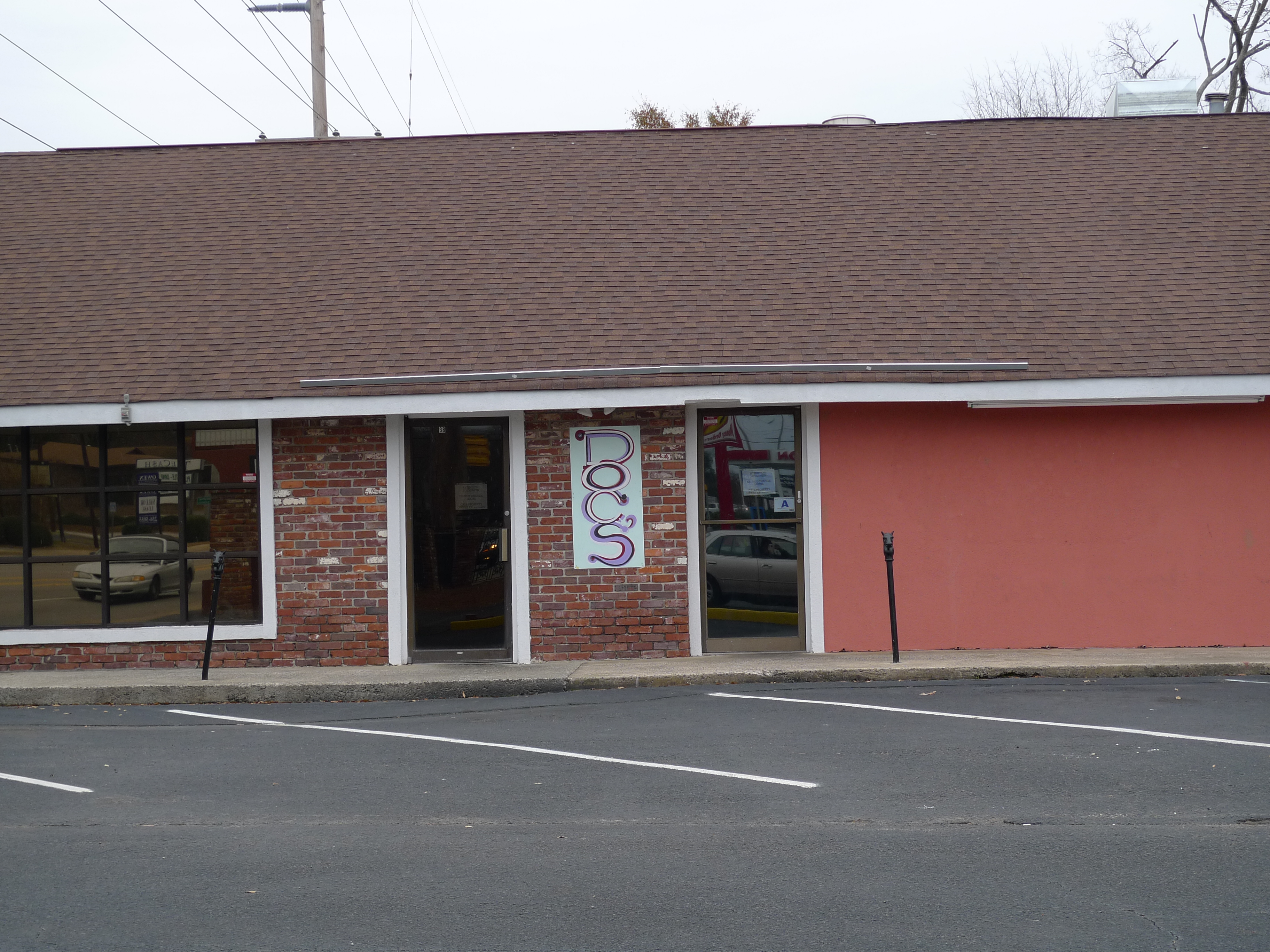

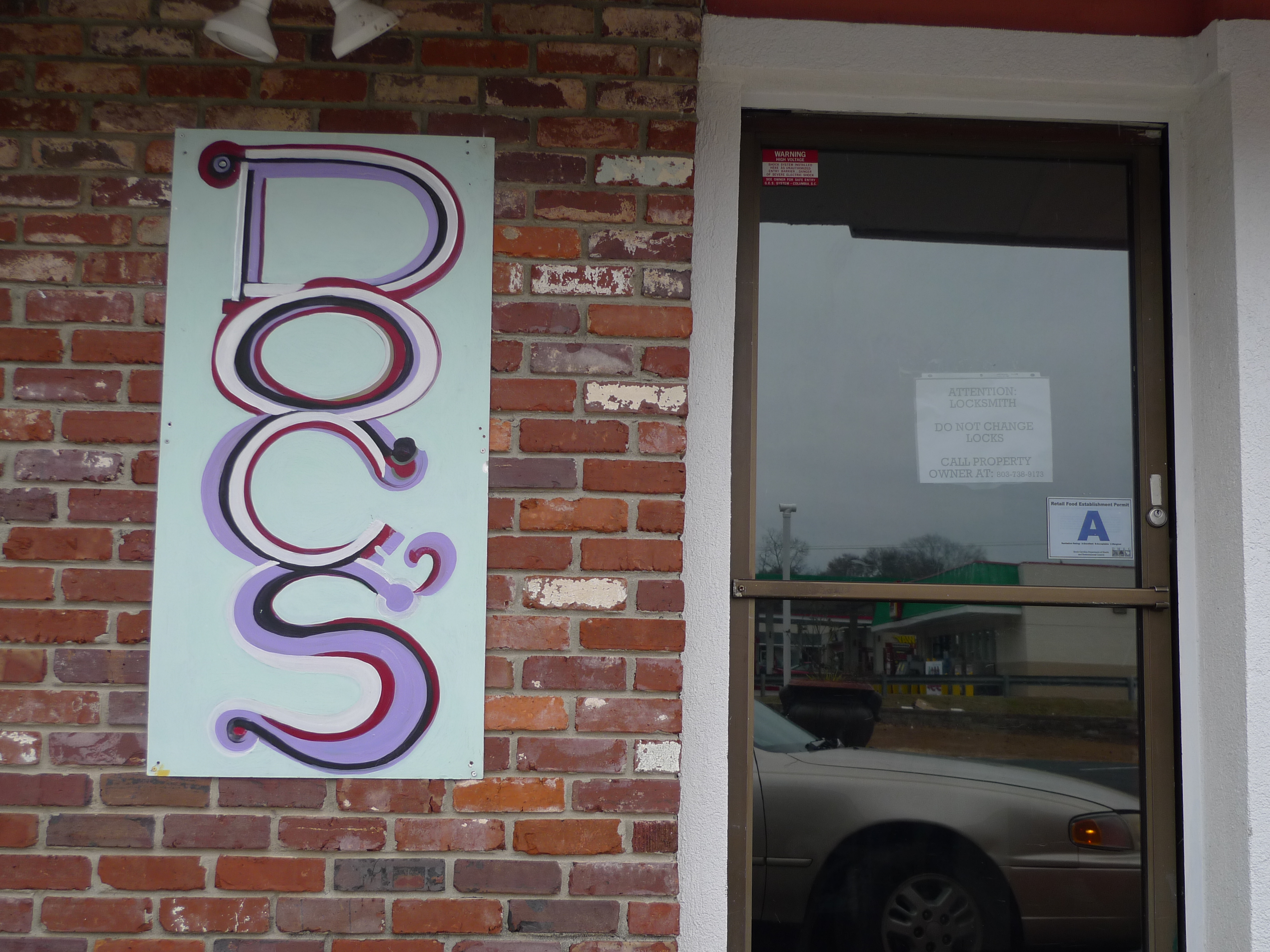
I originally wrote a closing for Doc's Gumbo Grille when it moved from 1115 Assembly street to the old French Quarter Deli location on Rosewood Drive. That closing was on 31 October 2009. Commenter Barb says the new location closed 30 December 2010, meaning the new location lasted just a bit over a year. As I mentioned in my other closing, the menu at Doc's wasn't up my alley, and since this location didn't host any Swimming Pool Qs shows, I never dropped by.
I know the original Keg O' Nails lasted many years in this location, but I don't think The French Quarter lasted very long -- it may be that this is just not a viable location any longer, or it may be that the market is so different from The Vista that the Doc's concept just didn't fit here..
For now, the the Doc's web site is still up with a nice little thank you message.
(Hat tips to commenters Barb & Ben)
Hampton Pontiac Jaguar Inc / Elliot Close for Senate / Ware We Customize, 2024 Main Street: 1990s 17 comments
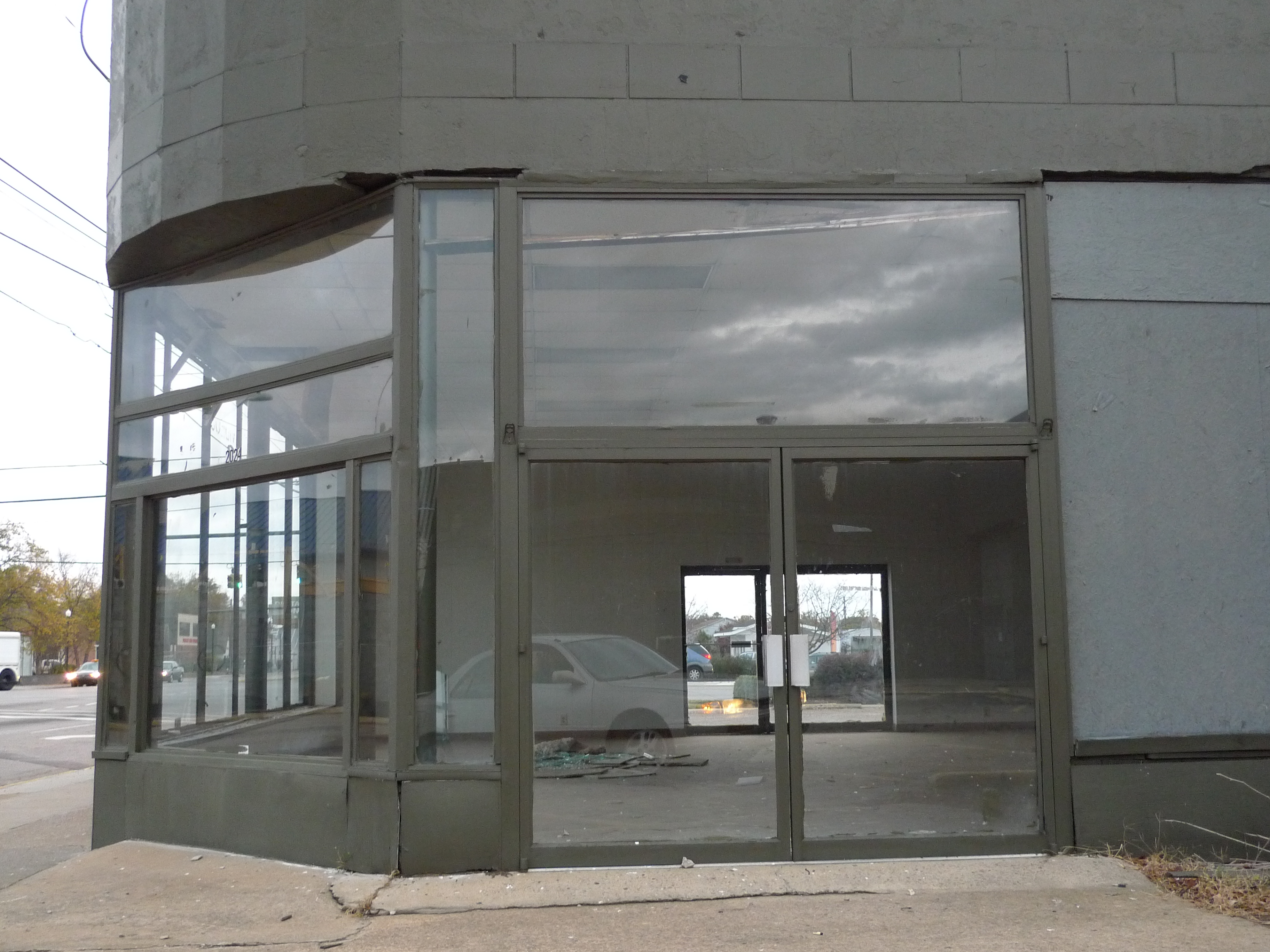
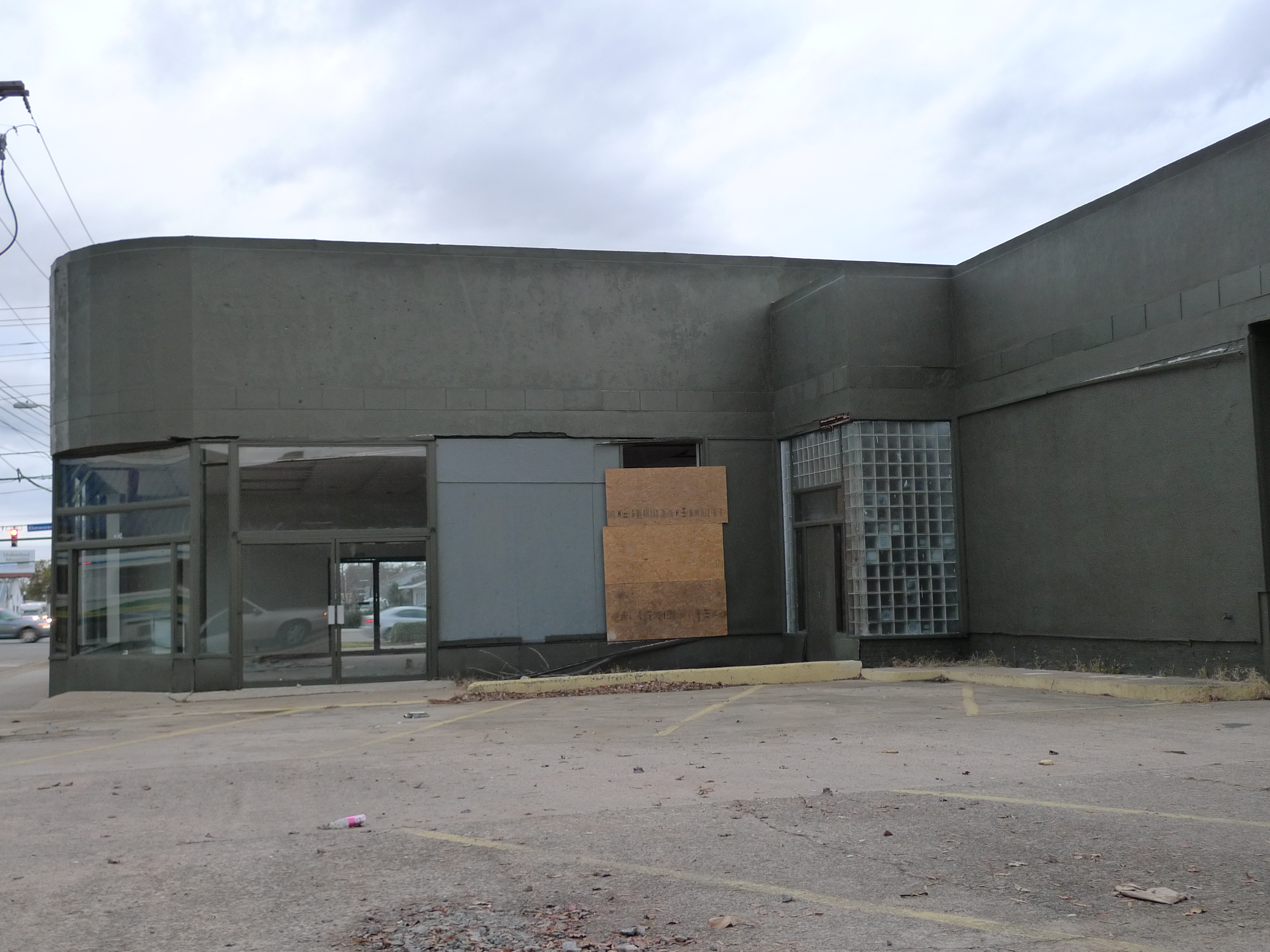
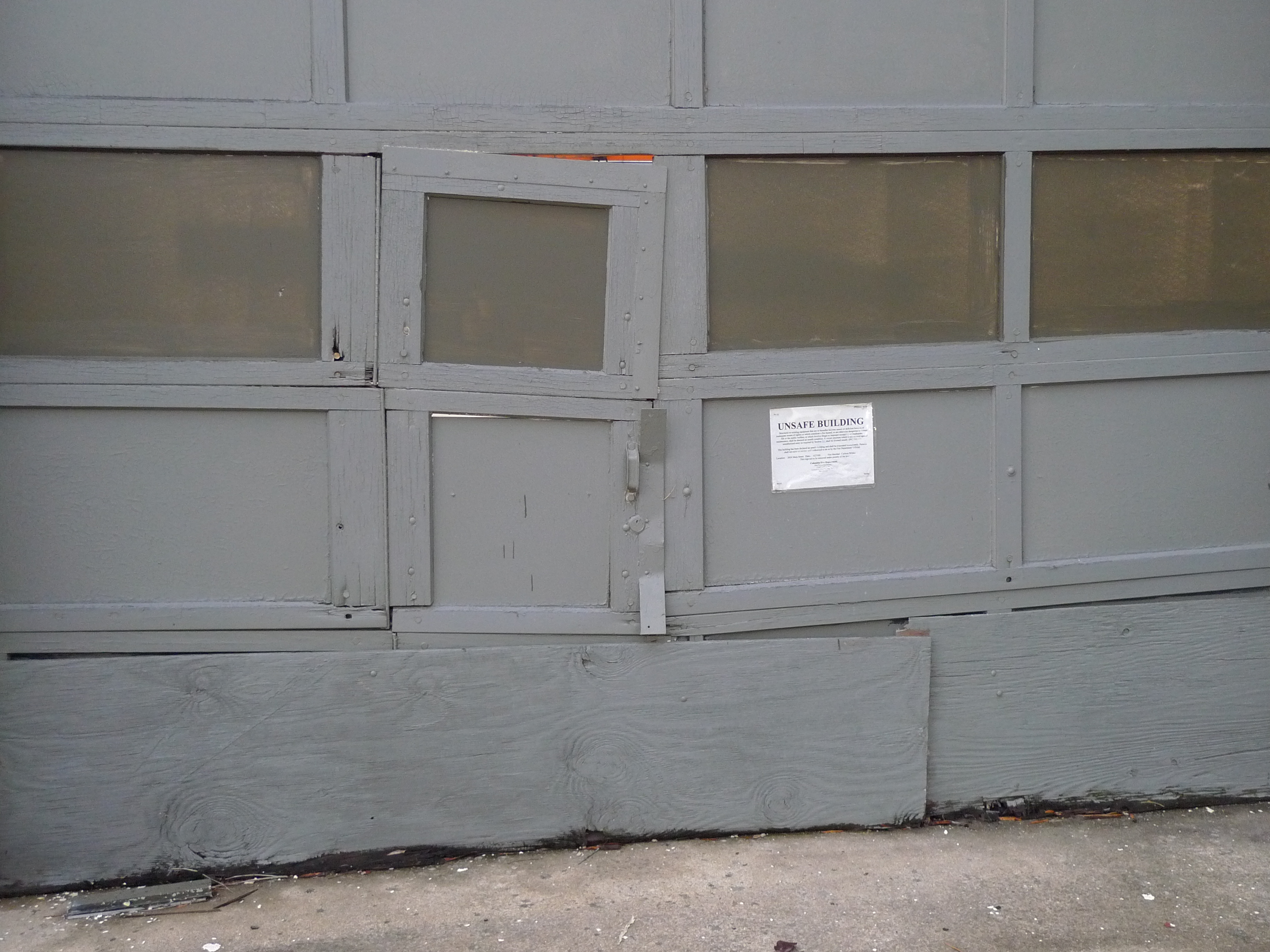
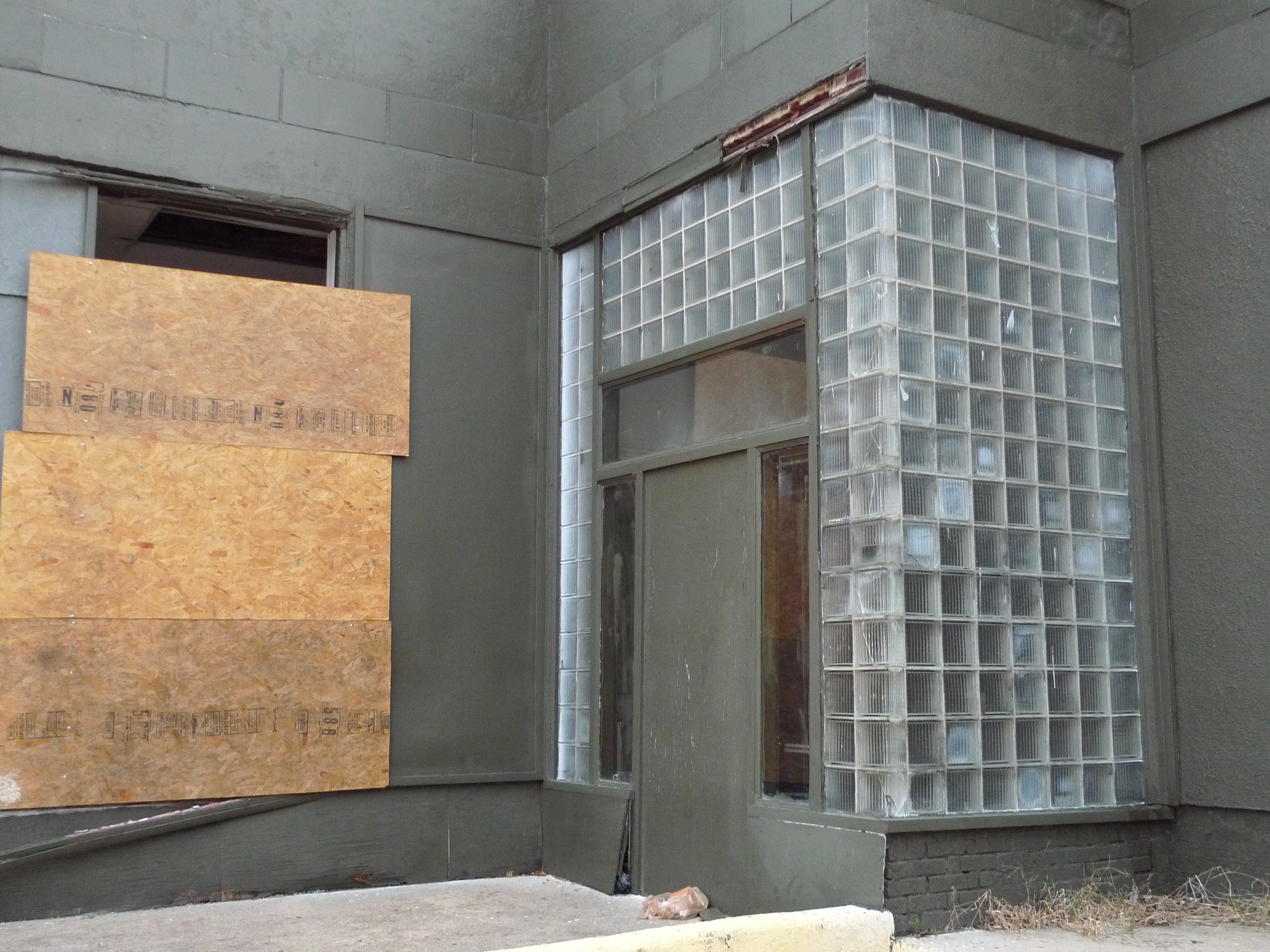


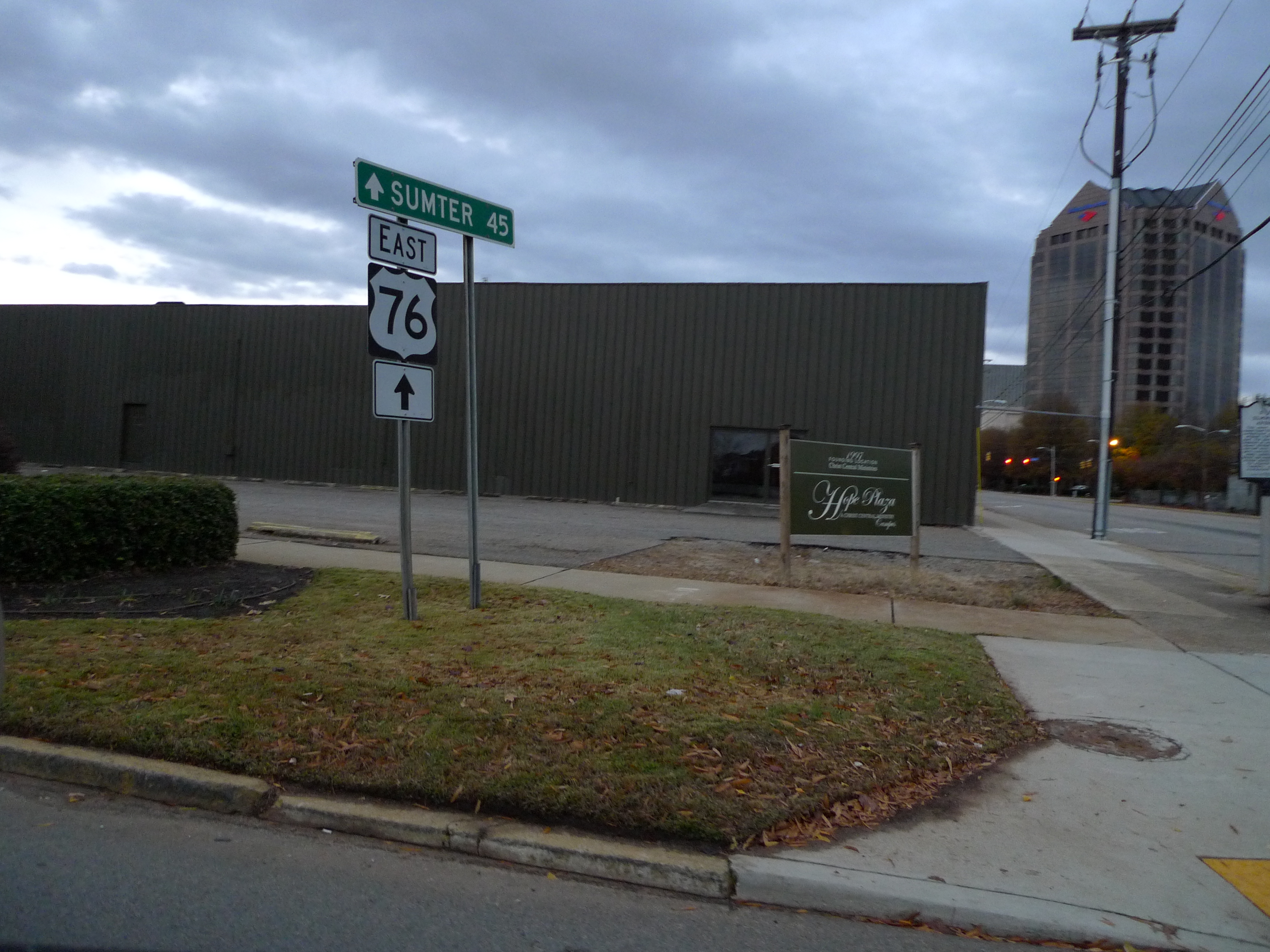
I don't think I can actually remember this vacant showroom on Main Street being Hampton Pontiac Jaguar, but that's how it's in the EPA database and it clearly was a showroom of some sort.
One of the follow on operations, Ware We Customize was apparently automotive also.
In 1996 the building seems to have been the headquarters for Elliot Close's unsuccessful Senate bid against Strom Thurmond.
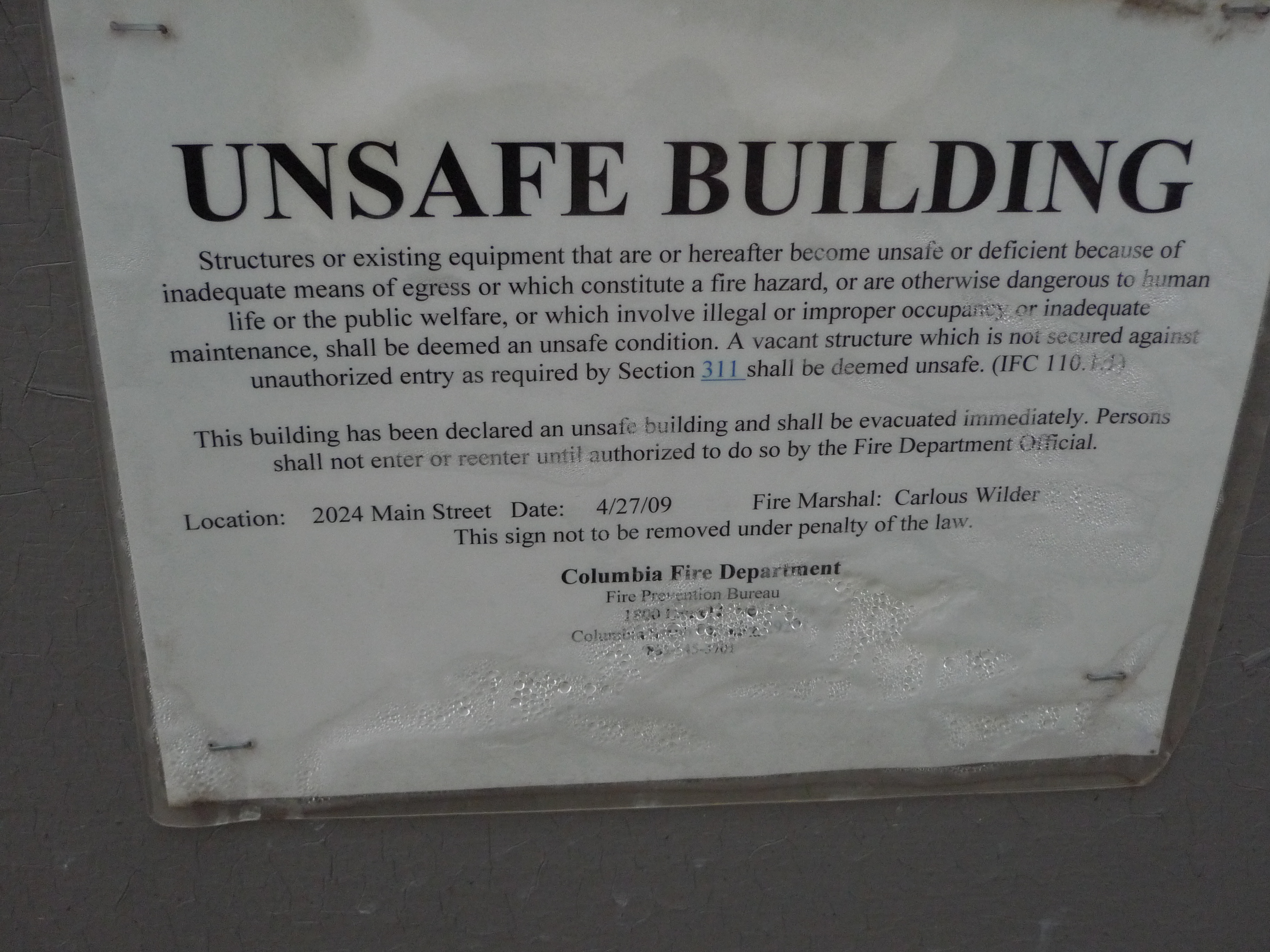
Currently it's looking pretty delapidated, and is flagged as unsafe, but apparently the property has been bought by some sort of religious organization and has been flagged as Hope Plaza Campus, so I would expect to see some repairs, or perhaps a tear-down and new building in the near future.
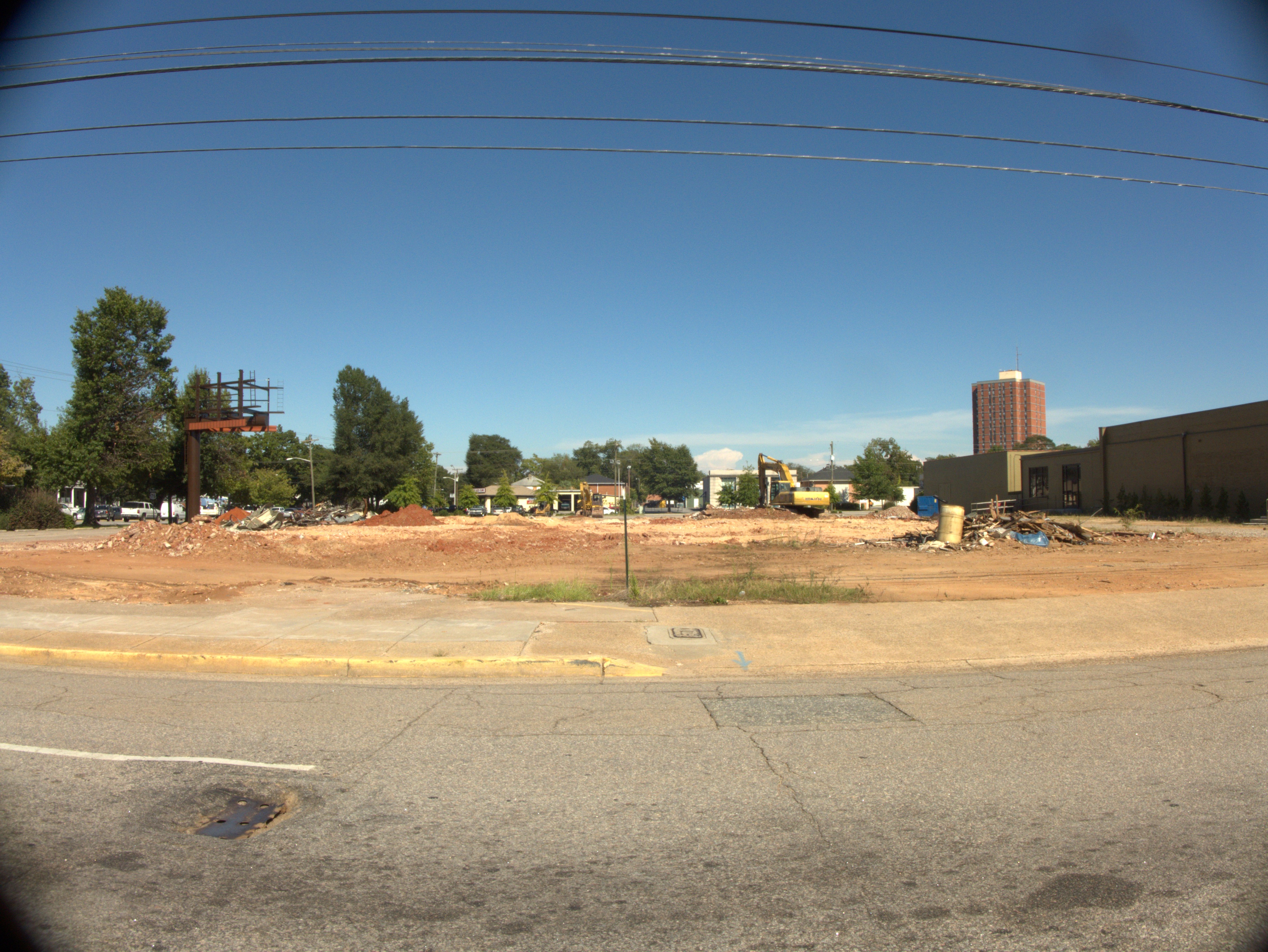
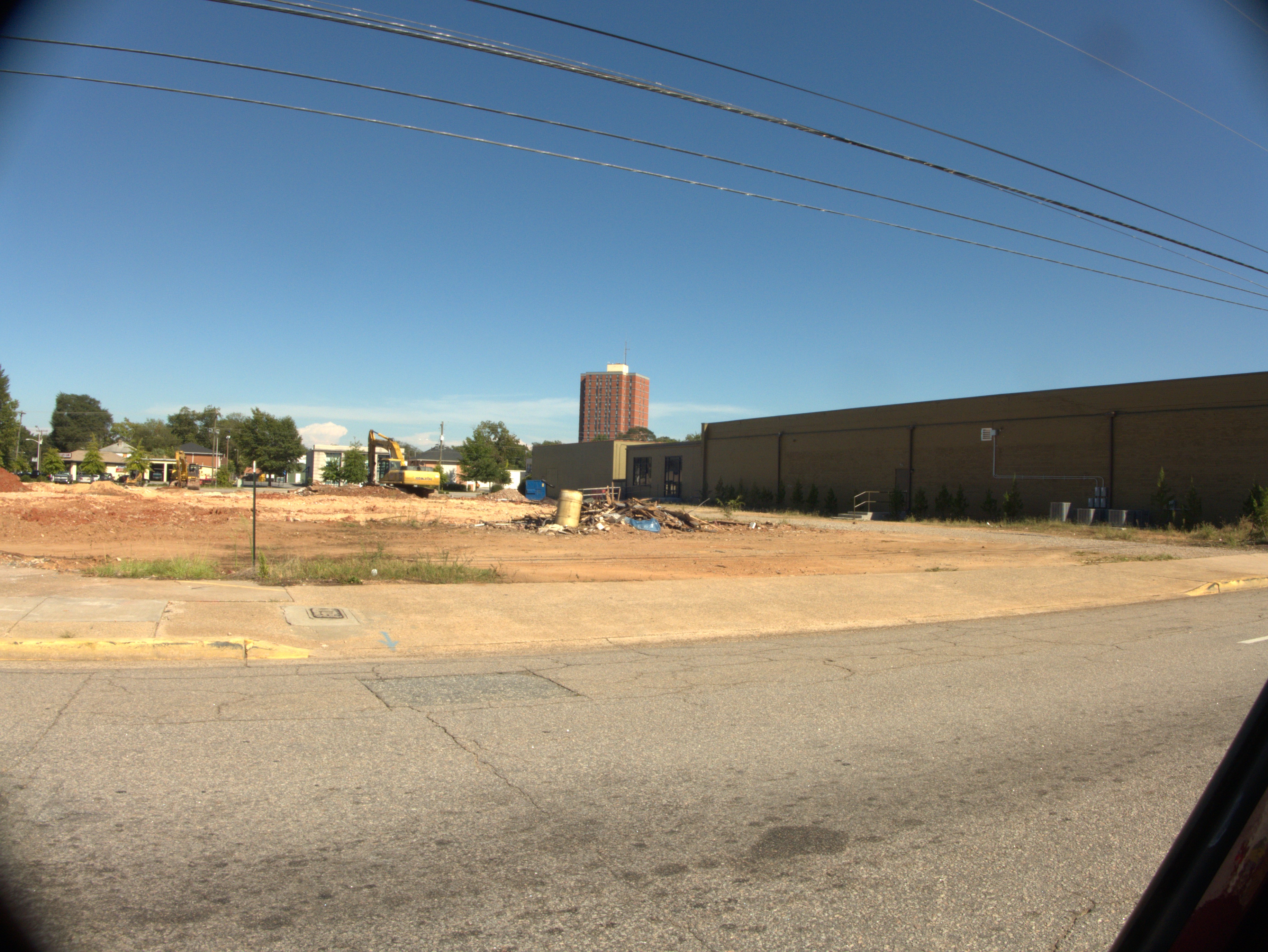
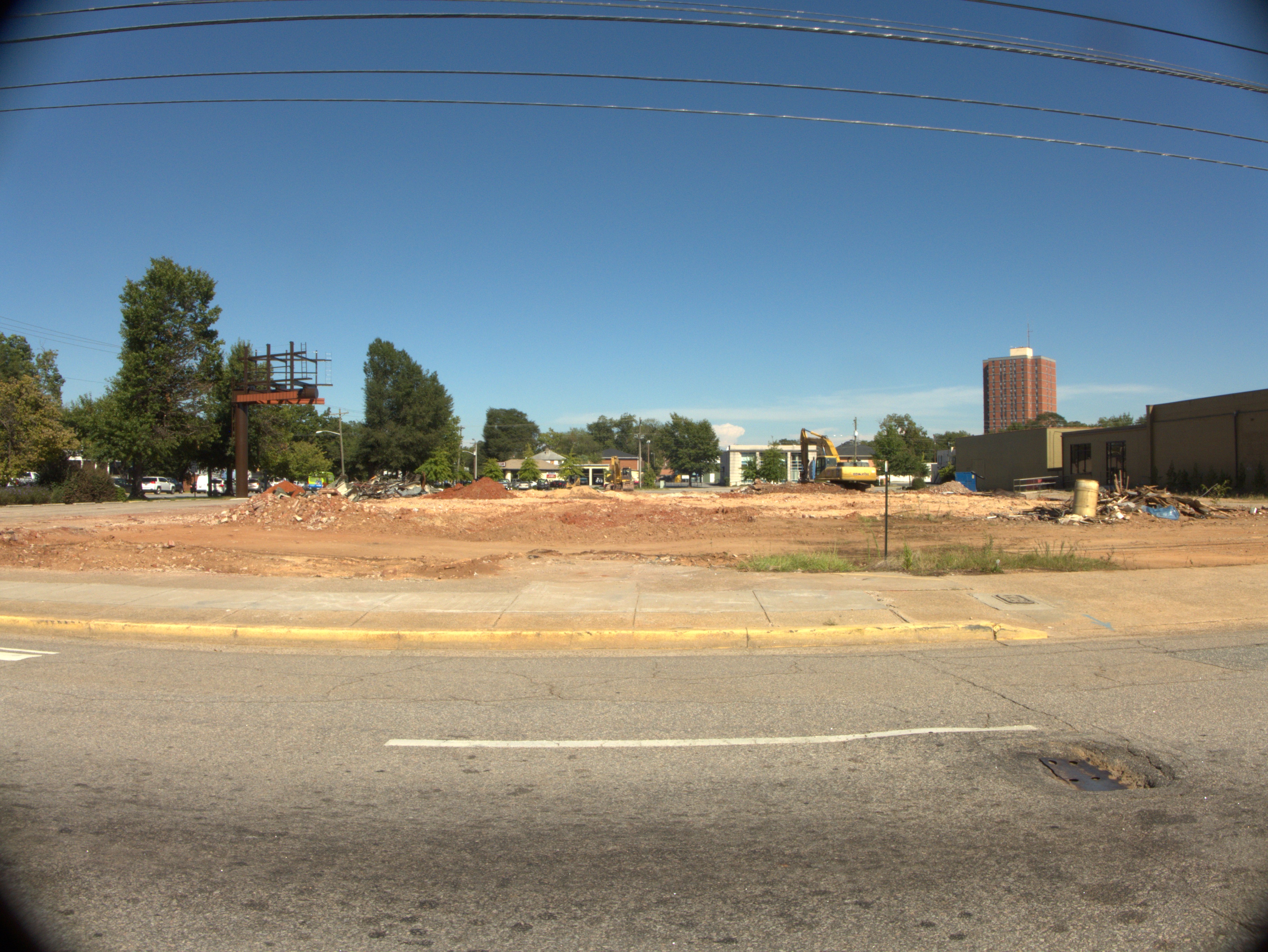
UPDATE 4 October 2016 -- This building has now been razed:
Piggly Wiggly / Ace Hardwarehouse, 300 West Main Street (Lexington): 2010 14 comments
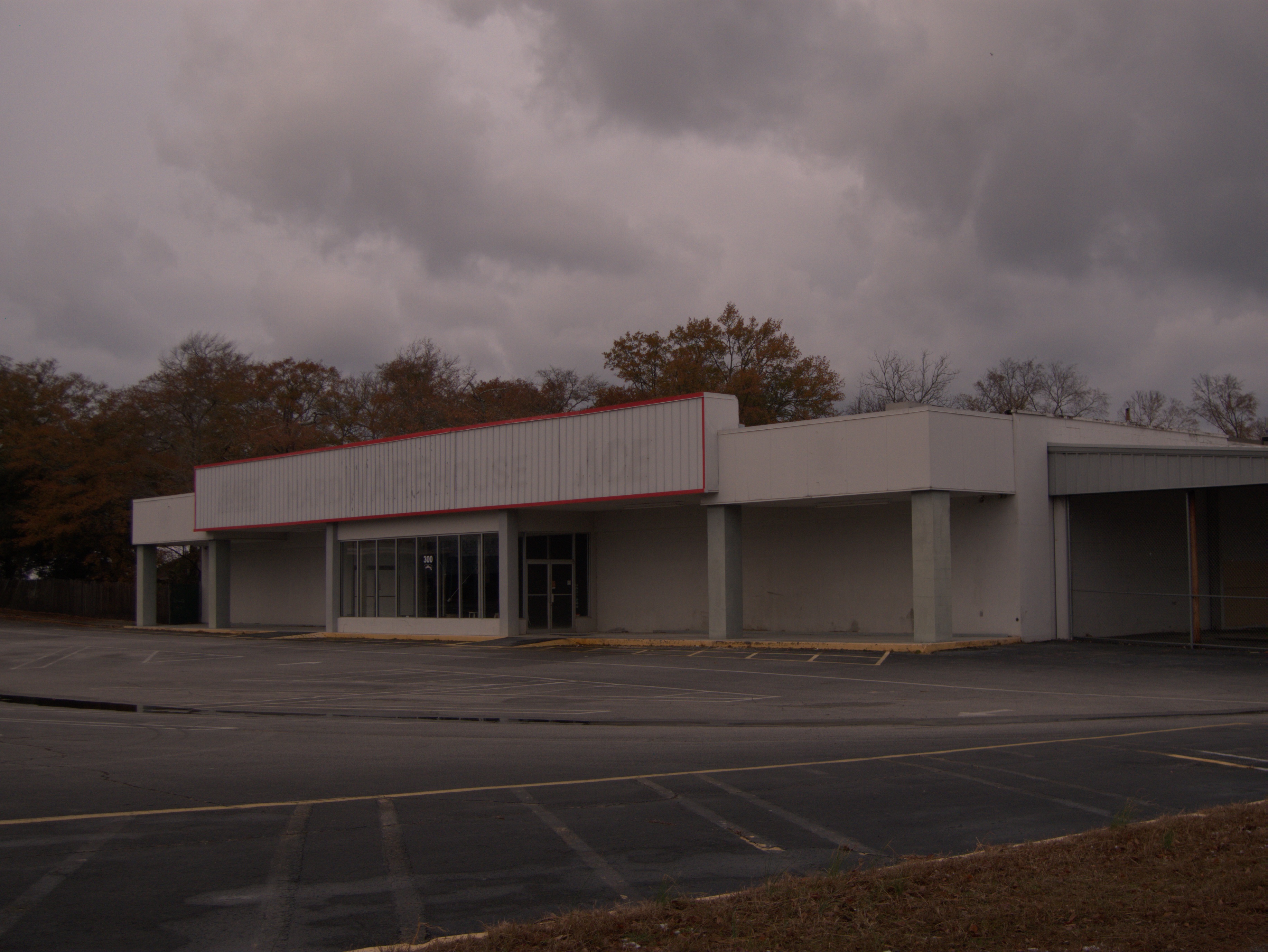
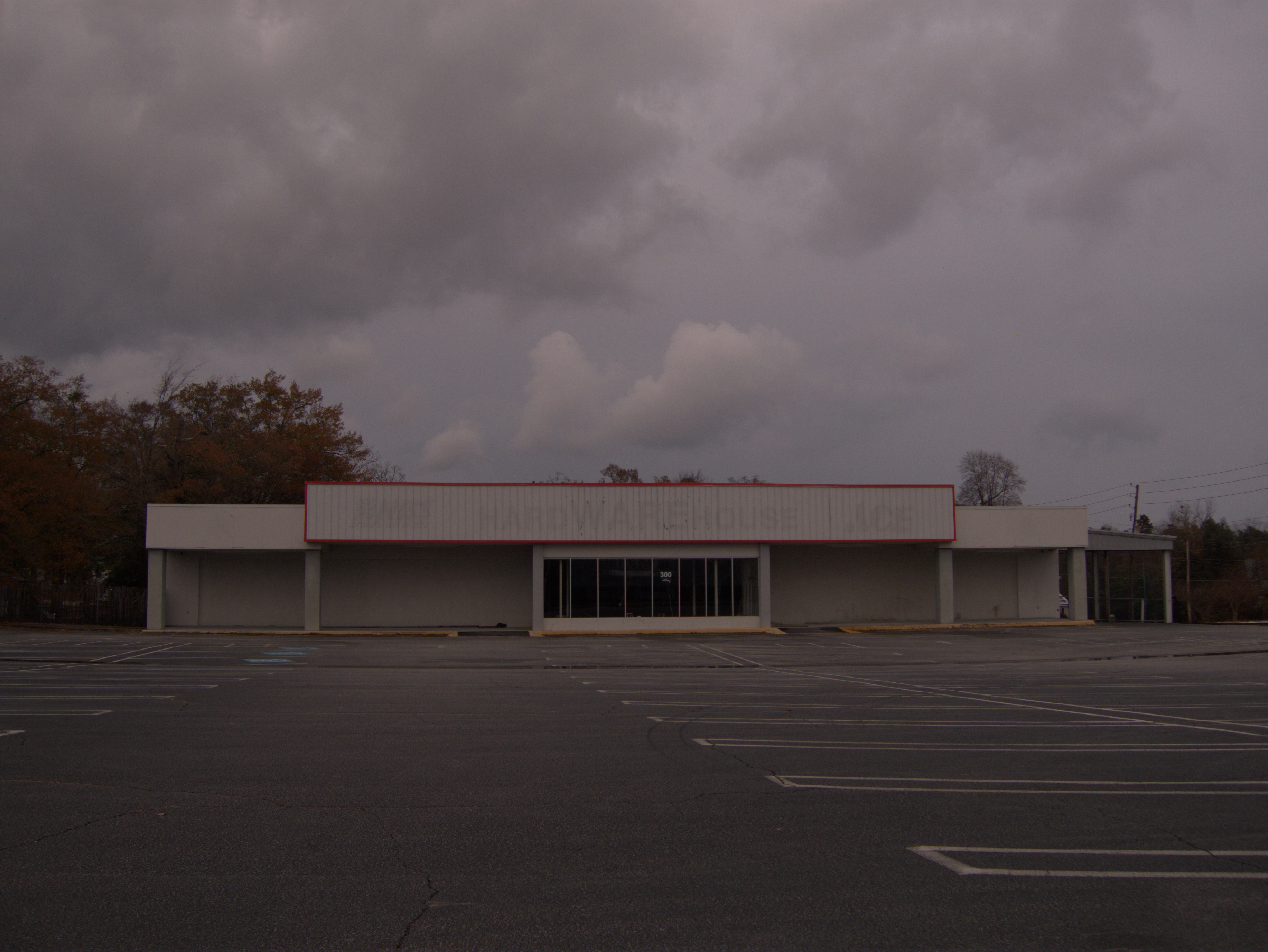
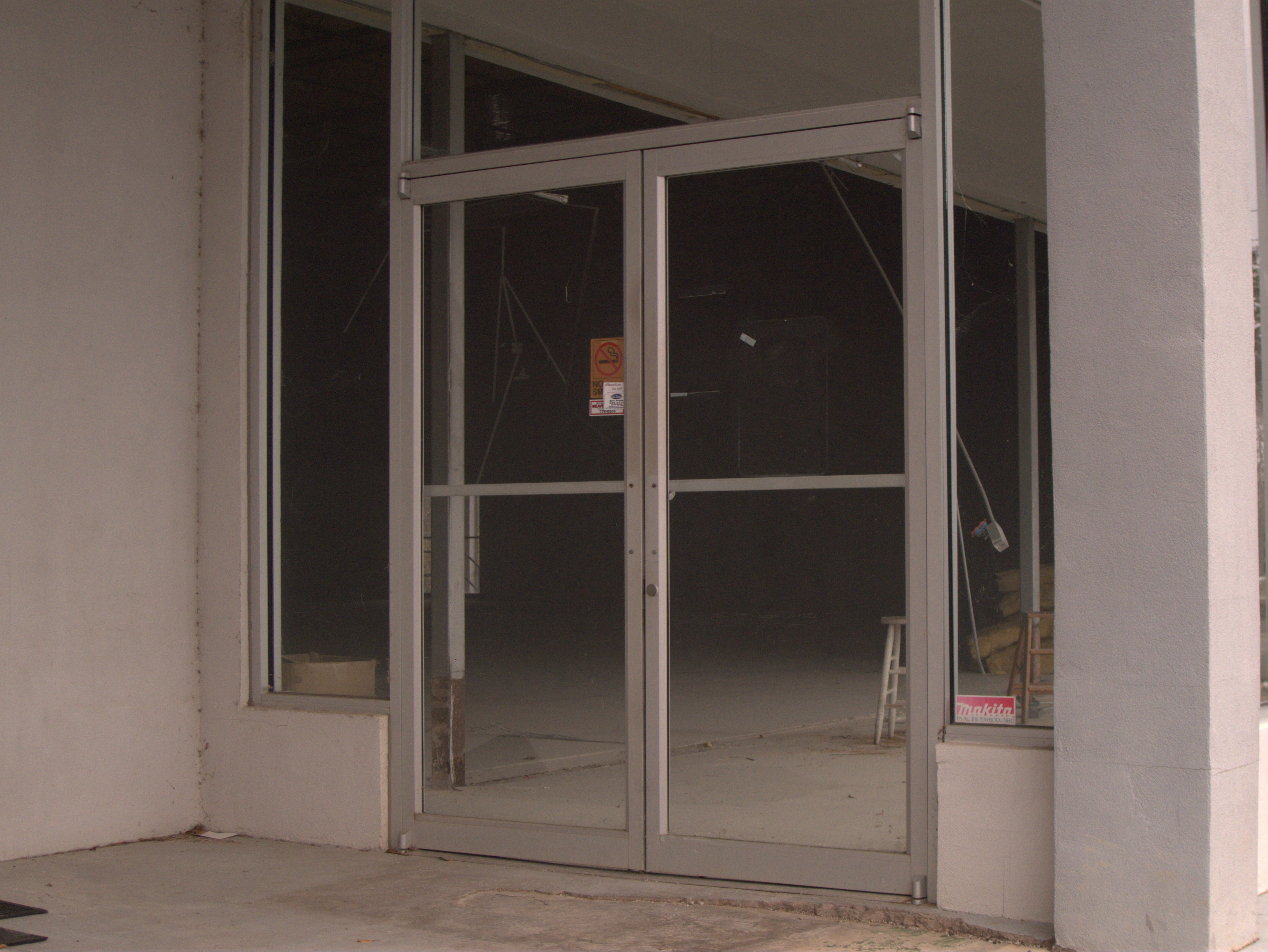
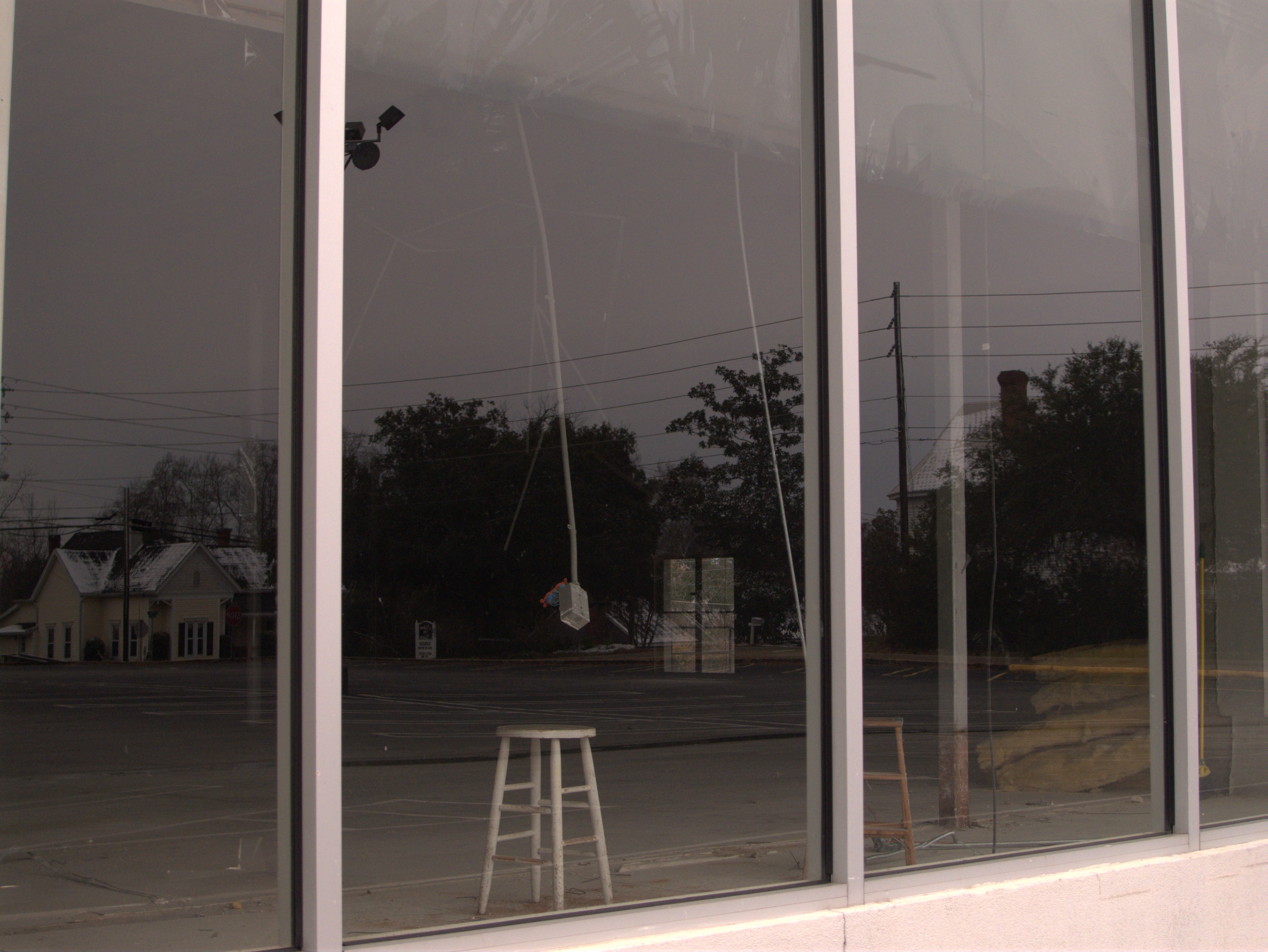
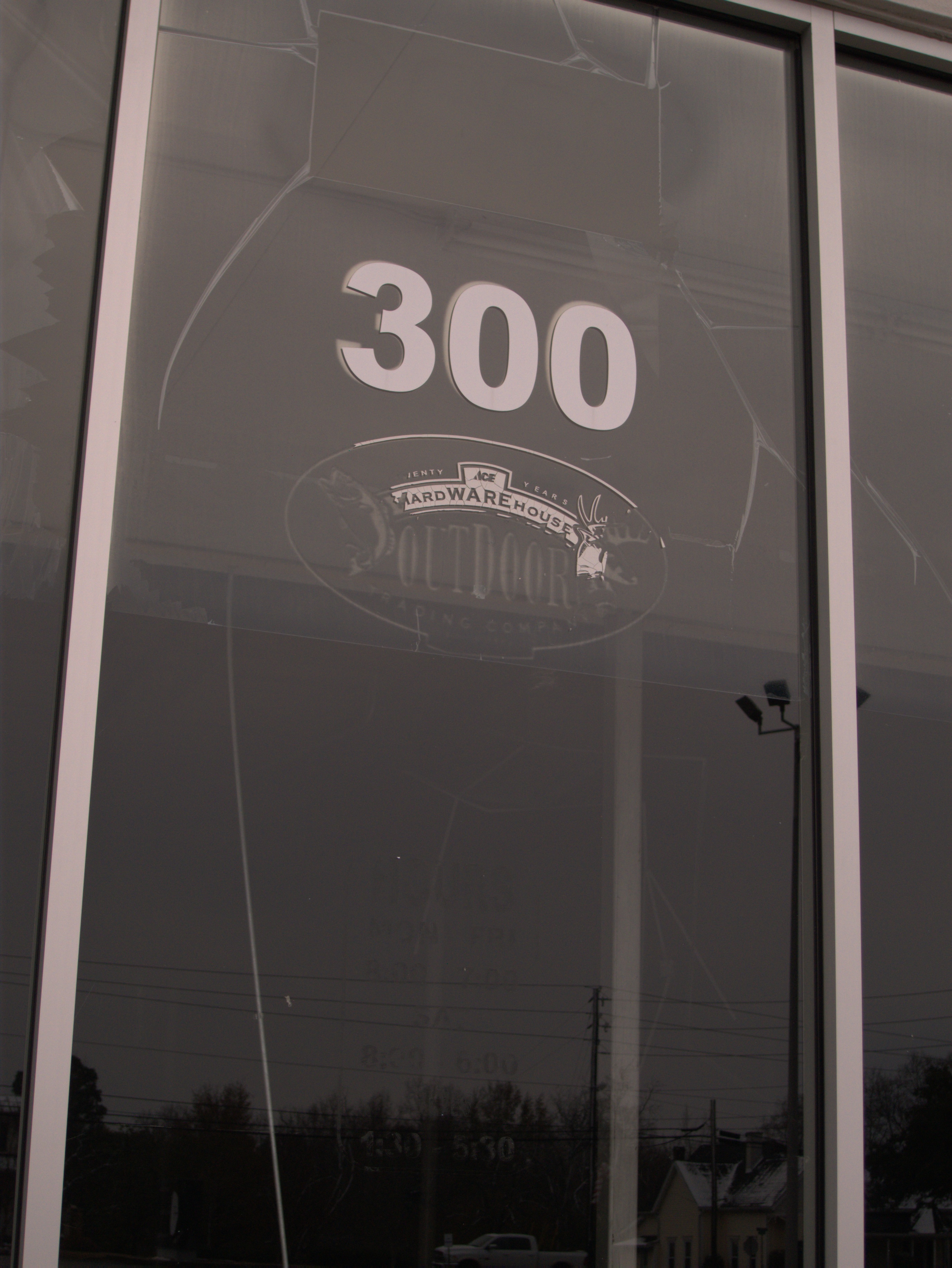
Judging from this LoopNet listing this property was sold in bankruptcy (or that's what I take "Onsite Auction- By Order of Secured Creditors" to mean) on 30 Aug 2010, so obviously the hardware store closed some time earlier than that -- certainly all the branding is gone in the LoopNet picture.
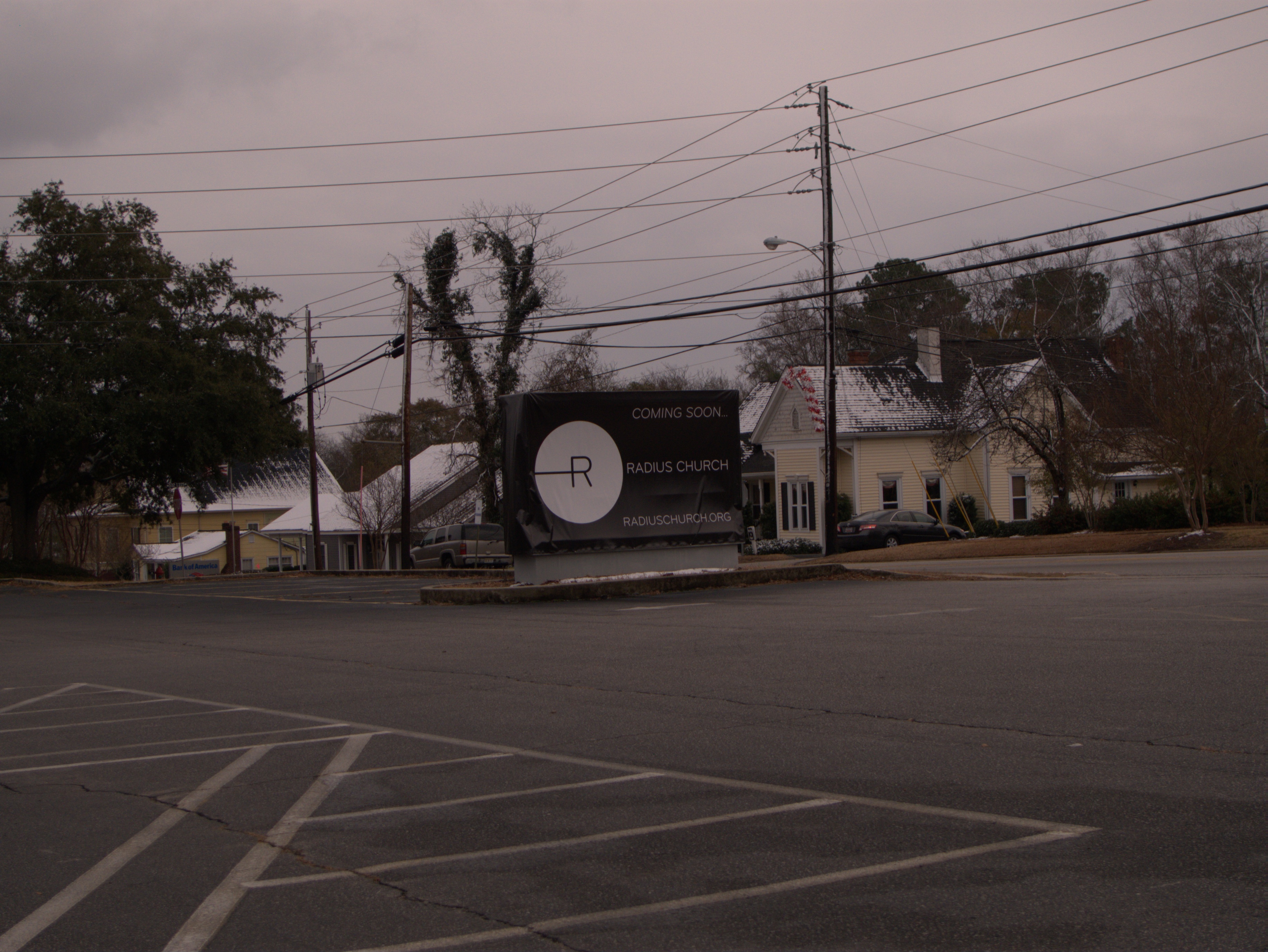
It's not a good time to be a non-big-box hardware store I'm afraid. This little plaza is really hurting as well. It looked like the only business still in operation was a restaurant, though judging from the curb sign Radius Church will be moving into the hardware space in the near future.
UPDATE 15 Jan 2011: Added Piggly Wiggly to the post title based on the comments.